





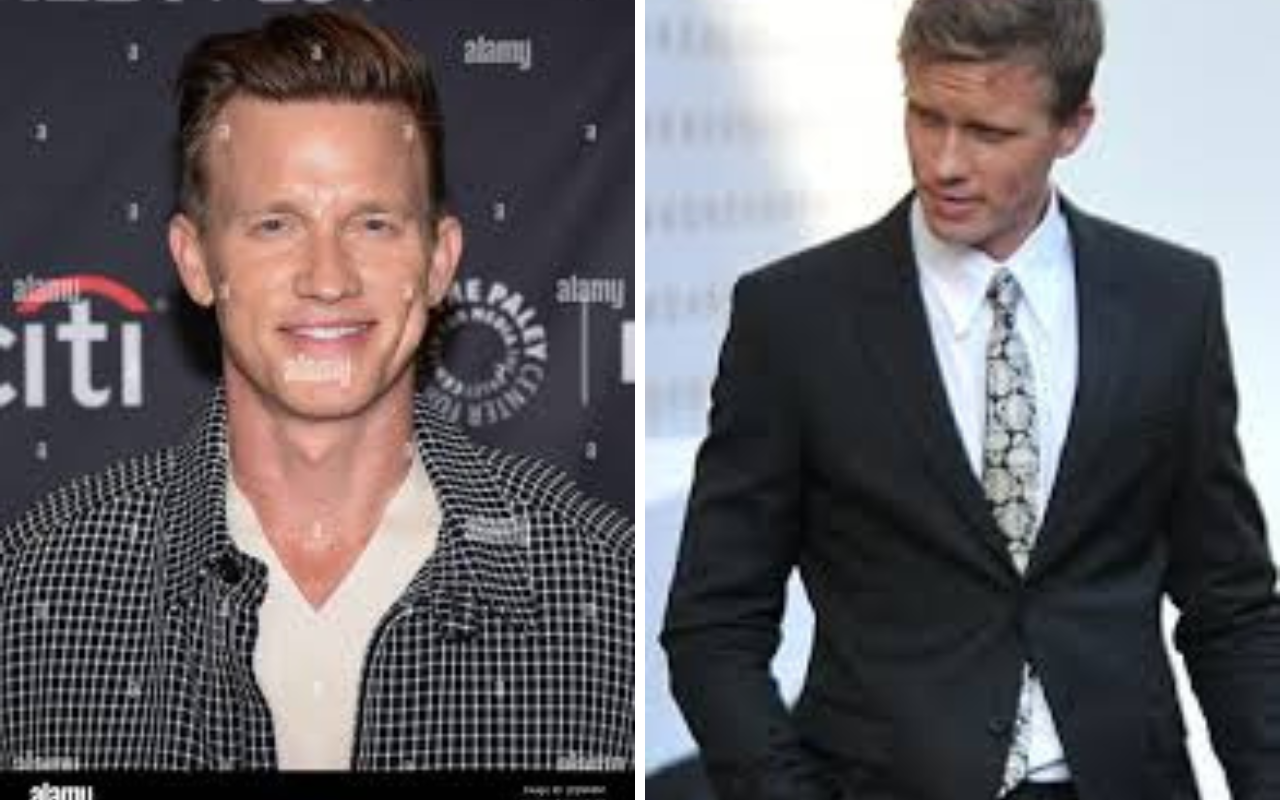
Warren Cole: The Underdog Rower Who Conquered the 1968 Mexico City Olympics
When you search for the name Warren Cole, you are uncovering a story that defines the very essence of the Olympic underdog. This is not just a tale of athletic victory; it is a narrative about quiet defiance, unexpected chemistry, and a crew that refused to be labeled as “spare parts.” In the world of New Zealand sporting history, few names carry the weight of genuine grit quite like Warren Cole, the rower who turned a reserve position into a golden legacy.
H2: Early Life and the Making of a Champion Rower
Born on September 12, 1940, in Palmerston North, Warren Cole’s journey to the podium was rooted in the fertile lands of New Zealand’s North Island. He was educated at Hamilton Boys’ High School, where the discipline of rowing first took hold, shaping a physique and mindset that would later challenge the world. Before the international fame, Cole was simply a local talent navigating the waters of the Whakatane Rowing Club, honing the raw power needed for the sport.
The post-war era produced rugged, self-reliant athletes, and Warren Cole was a perfect product of that environment. Unlike the polished, state-sponsored machines of later decades, Cole came from a background of dairy farming equipment sales, a job that demanded practical problem-solving and physical endurance. This blue-collar foundation gave him the unique ability to remain calm under pressure, a trait that would define his Olympic debut.
H2: The Road to Mexico City: From Spare Parts to Starting Crew
The 1968 Summer Olympics in Mexico City presented a unique challenge due to the high altitude, which wreaked havoc on the endurance of most athletes. Initially, Warren Cole was not even supposed to be a competitor in the coxed four; he was part of the reserve pool, essentially labeled as a backup for the more prestigious eight-oared boat. The selectors viewed the reserves as travel contingencies, not medal contenders, but Cole and his crewmates saw an opportunity.
Frustrated with the “spare parts” tag, the crew consisting of Dick Joyce, Dudley Storey, Ross Collinge, coxswain Simon Dickie, and Warren Cole demanded a chance to prove their worth. During a tense training camp at Kerr’s Reach in Christchurch, the underdog four did the unthinkable: they beat the favored eight in a practice run. This moment of sheer defiance forced the selectors’ hands. The Warren Cole-led reserve crew was entered into the Games, a decision that would rewrite the history books.
H2: The Golden Race: Winning the Coxed Four in 1968
The final race in Mexico City was a tactical masterpiece of high-altitude rowing. While other crews, including the heavily favored New Zealand eight, faded due to oxygen deprivation and panic, the four remained composed. Warren Cole and his crew pushed their bow ahead at the 300-meter mark and never relented, rowing with a rhythm that ignored the thin air.
In a stunning display of dominance, they crossed the line nearly three seconds ahead of East Germany and Switzerland. It was a wire-to-wire victory that shocked the rowing establishment. For Warren Cole, this was the pinnacle—a gold medal earned not by a machine, but by a group of men who simply refused to lose. As the official New Zealand Olympic Committee noted, this victory was the last time that specific crew ever raced together, making their perfect three-race, three-victory record a legendary statistical anomaly .
“When they got together, they were the funniest-looking crew you’d ever seen.” – Rusty Robertson, New Zealand Rowing Manager, on the 1968 champion four .
H2: Comparing the Athletic Profiles: Warren Cole vs. Warren Kole
It is a common point of confusion on the internet: the distinction between the Olympic rower and the Hollywood actor. While the names are phonetically similar, their arenas of excellence could not be more different. The following table provides a structural breakdown to clarify the distinct identities of Warren Cole and Warren Kole.
This comparison highlights that while the actor Warren Kole brings fictional characters to life on screen, the athlete Warren Cole brought a very real Olympic gold to New Zealand. It is crucial for researchers to specify “rower” when searching for the sporting icon to avoid the algorithmic confusion with his American namesake.
H2: Munich 1972 and the Later Competitive Years
The glory of Mexico City was impossible to replicate, but Warren Cole did not retire on his laurels. He returned to the Olympic stage for the 1972 Munich Games, once again competing in the coxed four. The context, however, had changed. With new crewmates John Clark, Peter Lindsay, Dave Lindstrom, and Chris Nilsson, the dynamic was different, and the level of global competition had intensified .
The New Zealand crew finished sixth in the final, a placing that some might view as a decline, but in the world of elite sport, it was a testament to Cole’s longevity. To reach two Olympic finals in two different decades requires a rare blend of durability and passion. Following his Olympic career, Cole shifted his focus to domestic competitions, winning national titles in the eights and fours with the Whakatane and Waikato clubs, proving his dominance on home waters long after the world stopped watching.
H2: Life Beyond the Water: Business and Rowing Administration
After hanging up his oar, Warren Cole channeled the same intensity he had on the water into the corporate world. He initially worked for the National Dairy Association in sales and marketing before moving into the dairy equipment sector, eventually owning a successful company in Hamilton . This transition from athlete to entrepreneur is a classic example of the transferable skills of discipline and strategic thinking.
Cole never truly left the sport of rowing; instead, he stepped into leadership roles. He served as the manager for the New Zealand rowing team at the 1977 World Championships in Amsterdam and again in 1978. By moving from the bow of the boat to the sidelines as a coach and manager, Warren Cole ensured that the knowledge gained from beating the odds in 1968 was passed down to the next generation of New Zealand oarsmen.
H2: The Hall of Fame Legacy and Enduring Impact
In 1990, the legendary 1968 coxed four crew was inducted into the New Zealand Sports Hall of Fame. This honor cemented the status of Warren Cole not just as a competitor, but as a guardian of New Zealand’s sporting heritage. The crew’s story remains a cornerstone of Rowing New Zealand’s identity, taught to young rowers as the ultimate lesson in teamwork and belief.
When Warren Cole passed away on July 17, 2019, at the age of 78, the nation lost a quiet giant. Yet, his legacy persists in the intense rivalries of modern rowing and in the structure of New Zealand’s high-performance programs. He proved that physical chemistry often outweighs sheer statistics. Every time a New Zealand rowing crew punches above its weight on the world stage, the shadow of Warren Cole is there in the boat.
Conclusion
The story of Warren Cole is more than a historical record of a 1968 gold medal; it is a blueprint for resilience. From being dismissed as a reserve to standing atop the podium in Mexico City, Cole’s journey defies the conventional expectations of elite sport. He demonstrated that success is not always about having the biggest budget or the most hyped team, but about the quiet, relentless chemistry of a few dedicated individuals. For New Zealand, Warren Cole remains a national treasure, and for the world, he is a reminder that the best crews are often the ones the world least expects.
FAQ Section
H3: Who is Warren Cole?
Warren Cole was a New Zealand rower who won an Olympic gold medal at the 1968 Summer Olympics in Mexico City. He was a member of the coxed four crew that defeated East Germany and Switzerland, marking New Zealand’s first gold medal in rowing.
H3: What is the difference between Warren Cole and Warren Kole?
The primary distinction is their profession and nationality. Warren Cole was a New Zealand Olympic rower, while Warren Kole is an American actor known for television shows like The Following and Yellowjackets. If you are researching the athlete, ensure you use the spelling “Cole” to find the rowing champion .
H3: How did Warren Cole make the 1968 Olympic team?
Initially, Warren Cole was selected only as a traveling reserve. He and his crewmates pushed to compete as a coxed four. After a training run where they beat the official eight-oared boat, the selectors allowed them to race, leading to their historic gold medal win .
H3: Did Warren Cole win any other Olympic medals?
Warren Cole competed in two Olympics. He won the gold medal in 1968. He returned for the 1972 Munich Olympics in the coxed four event, finishing in sixth place .
H3: When did Warren Cole pass away?
Warren Cole passed away on July 17, 2019, in Hamilton, New Zealand. He was 78 years old and is remembered as Olympian #221 for the New Zealand Olympic Team .
Read Mode ; Elaine Starchuk: The Untold Story of Tommy Lee’s First Wife & Her Life After Fame