






Aksara Bali: The Complete Guide to Understanding, Using, and Preserving Bali’s Sacred Script
Aksara Bali is more than just a writing system—it is a living cultural artifact that reflects the philosophy, spirituality, and artistic identity of the Balinese people. Rooted in centuries of tradition, this script continues to shape religious rituals, ceremonial life, and modern cultural expression across Bali and beyond.
Whether you’re a linguistics enthusiast, cultural traveler, or digital creator, understanding Aksara Bali opens a window into a deeply symbolic world where language, art, and belief are inseparable.
The Origins and Historical Evolution of Aksara Bali
Aksara Bali traces its origins to ancient Brahmi-derived scripts, evolving through Old Javanese influences before taking its distinct form on the island of Bali. Over centuries, it absorbed elements from Sanskrit and Kawi, becoming a refined system used in royal courts, temples, and sacred manuscripts.
The development of Aksara Bali was not linear but adaptive, shaped by political shifts, religious transformations, and cultural exchanges. As Hindu-Buddhist traditions flourished in the region, the script became a key medium for preserving spiritual texts and mythological narratives.
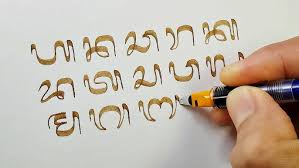
Cultural Significance of Aksara Bali in Balinese Society
In Bali, writing is not merely functional—it is sacred. Aksara Bali is deeply embedded in rituals, temple carvings, offerings, and ceremonial objects, often believed to carry spiritual power when written correctly.
The script represents a bridge between the physical and metaphysical worlds. Many Balinese believe that certain characters hold protective or purifying energy, making Aksara Bali an essential element in daily religious practices and life-cycle ceremonies.
Structure and Writing System of Aksara Bali
Aksara Bali is an abugida, meaning each consonant carries an inherent vowel that can be modified with diacritics. This structure allows for complex phonetic representation while maintaining a visually harmonious flow.
The script includes basic consonants, vowel markers, numerals, punctuation, and special characters used in religious contexts. Mastering Aksara Bali requires understanding not just shapes, but also contextual usage and pronunciation nuances.
Key Components of Aksara Bali Explained
The script consists of several layers, each serving a distinct linguistic or symbolic purpose. Understanding these components helps learners grasp the full depth of Aksara Bali.
| Component Type | Description | Example Usage |
|---|---|---|
| Basic Characters | Core consonants with inherent vowels | Everyday writing |
| Diacritics | Modify vowel sounds or consonant clusters | Pronunciation clarity |
| Pasang (Subscripts) | Combine consonants in clusters | Complex word formation |
| Numerals | Traditional number system | Dates, rituals |
| Sacred Symbols | Used in religious or ceremonial contexts | Temple inscriptions |
These elements work together to create a script that is both functional and symbolic, reinforcing the idea that Aksara Bali is as much art as it is language.
The Role of Aksara Bali in Religion and Spirituality
Aksara Bali plays a central role in Hindu rituals across Bali, particularly in the writing of sacred mantras and scriptures. Priests often use the script in ceremonial texts that guide offerings and prayers.
Beyond written texts, Aksara Bali appears in yantras, amulets, and ritual diagrams. These inscriptions are believed to channel divine energy, making the script an active participant in spiritual practice rather than a passive medium.
Learning Aksara Bali in the Modern Era
Today, Aksara Bali is taught in schools as part of cultural preservation efforts. Educational programs aim to ensure younger generations maintain a connection to their linguistic heritage.
Digital tools and mobile apps have also made learning Aksara Bali more accessible. Interactive platforms allow users to practice writing, pronunciation, and reading, bridging traditional knowledge with modern technology.
Common Challenges When Learning Aksara Bali
Many learners struggle with the script’s layered structure, especially the use of diacritics and consonant clusters. Unlike Latin alphabets, Aksara Bali requires spatial awareness and contextual interpretation.
Another challenge lies in its limited everyday use outside cultural contexts. Without regular practice, learners may find it difficult to retain proficiency, making consistent exposure essential for mastery.
Aksara Bali in Art, Design, and Tattoos
Aksara Bali has gained popularity in contemporary art and tattoo culture, admired for its intricate and flowing aesthetic. Designers often incorporate the script into logos, textiles, and digital graphics.
However, using Aksara Bali in design requires cultural sensitivity. Misinterpretation or incorrect usage can distort meaning, especially when sacred symbols are involved.
Preservation Efforts and Cultural Sustainability
Efforts to preserve Aksara Bali include government initiatives, community workshops, and academic research. These programs aim to document, teach, and promote the script across different platforms.
Digital archiving and Unicode standardization have also played a crucial role. By integrating Aksara Bali into global digital systems, preservation efforts ensure its relevance in the modern world.
Comparing Aksara Bali with Other Scripts
Aksara Bali shares similarities with other Southeast Asian scripts but maintains unique characteristics that set it apart. Understanding these differences highlights its cultural specificity.
| Script Name | Region | Writing Type | Unique Feature |
|---|---|---|---|
| Aksara Bali | Bali | Abugida | Sacred symbolism and ritual usage |
| Javanese Script | Java | Abugida | Similar structure, different forms |
| Thai Script | Thailand | Abugida | Tonal markers |
| Devanagari | India | Abugida | Horizontal top line |
This comparison shows how Aksara Bali fits into a broader linguistic family while retaining its distinct identity.
Practical Applications of Aksara Bali Today
Beyond cultural preservation, Aksara Bali is used in signage, educational materials, and ceremonial documentation. It remains visible in public spaces, reinforcing cultural identity.
Businesses and tourism sectors also incorporate Aksara Bali into branding, offering visitors an authentic cultural experience while supporting local heritage.
Misconceptions About Aksara Bali
One common misconception is that Aksara Bali is a “dead script.” In reality, it continues to evolve and adapt, especially through digital platforms and educational initiatives.
Another misunderstanding is that it is purely decorative. While visually appealing, Aksara Bali carries deep linguistic and spiritual meaning that goes far beyond aesthetics.
The Future of Aksara Bali in a Digital World
The integration of Aksara Bali into Unicode has opened new possibilities for its use in digital communication. Social media, websites, and apps now support the script, increasing its visibility.
As technology evolves, Aksara Bali is likely to find new applications in virtual reality, design systems, and global cultural exchanges, ensuring its continued relevance.
A Quote That Captures Its Essence
“Language is the roadmap of a culture. It tells you where its people come from and where they are going.”
This perspective perfectly reflects the role of Aksara Bali as both a historical record and a living expression of Balinese identity.
Conclusion
Aksara Bali stands as a powerful testament to the enduring connection between language, culture, and spirituality. Its intricate structure and symbolic depth make it one of the most fascinating scripts in the world.
As preservation efforts continue and digital tools expand its reach, Aksara Bali is not only surviving but evolving. For anyone seeking to understand Bali on a deeper level, learning this script offers an unforgettable journey into the heart of its traditions.
FAQ
What is Aksara Bali used for today?
Aksara Bali is used in education, religious ceremonies, cultural documentation, and increasingly in digital media, maintaining its relevance in modern society.
Is Aksara Bali difficult to learn?
Aksara Bali can be challenging due to its structure and diacritics, but with consistent practice and digital tools, learners can gradually master it.
Why is Aksara Bali considered sacred?
Aksara Bali is tied to religious texts and rituals, and many characters are believed to hold spiritual power, making it sacred in Balinese culture.
Can Aksara Bali be used in modern design?
Yes, Aksara Bali is widely used in art and design, but it requires careful understanding to ensure accurate and respectful usage.
How is Aksara Bali being preserved?
Aksara Bali is preserved through education, government initiatives, digital platforms, and community efforts aimed at keeping the script alive.
SEO Title
Aksara Bali: Complete Guide to the Sacred Balinese Script, Meaning, Structure & Modern Use
Meta Description
Discover Aksara Bali—its history, meaning, structure, and modern use in this complete, in-depth cultural and linguistic guide.