





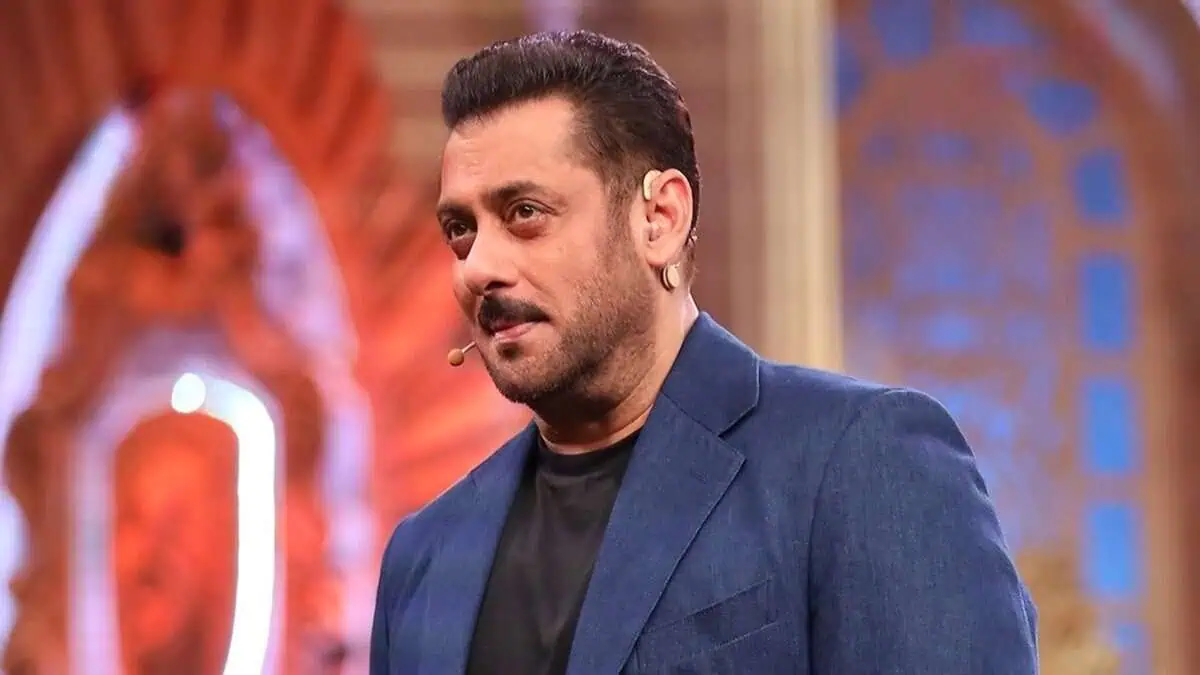
Salman Khan at 60: How Age, Legacy, and an Indomitable Spirit Define Bollywood’s Bhai
For over three decades, Salman Khan has been an undeniable force in Indian cinema. His career, a rollercoaster of record-breaking successes and dramatic controversies, is inextricably linked to his personal journey through time. As he celebrated a landmark birthday, turning 60 on December 27, 2025, the conversation naturally shifts to understanding the man behind the myth. Exploring Salman Khan’s age is not merely about a number; it is about tracing the evolution of a superstar who has shaped Bollywood’s commercial landscape, defied conventional aging, and cemented a unique bond with millions. This article delves deep into how his age and experience have crafted his legacy, his unparalleled fitness regime, his philanthropic heart, and what the future holds for the actor who proudly carries the title of “Bhai.”
The Unwavering Fitness Icon: Defying Time
At an age when many contemplate retirement, Salman Khan has redefined what is possible, presenting a physique that rivals actors half his age. His approach to fitness is a masterclass in discipline and consistency, proving that for him, age is genuinely just a number. The actor’s legendary dedication is built on a non-negotiable routine, beginning every single day with fasted cardio. He integrates weight training seamlessly into his schedule, whether during breaks on a film set or after a long day, with a personal mantra suggesting he “won’t sleep” without completing his workout.Salman Khan at This unwavering commitment is the cornerstone of a regimen that has inspired generations of fitness enthusiasts and solidified his image as the perennial action hero.
The technical blueprint of his fitness success lies in high-intensity interval training (HIIT) and volume training. According to his trainer, Rakkesh Uddiyar, Salman Khan’s workouts are designed for maximum efficiency with minimal rest. He moves from one exercise to the next with only the short walk between stations serving as a 30-second recovery period.Salman Khan at This intense method, coupled with a fundamental belief that a workout should be completed within 45 minutes to an hour, underscores a scientific and focused approach. His diet complements this intense training, centering on a protein-rich plan with five meals a day. He maintains a simple, home-style diet prioritizing vegetables and salads, with a conscious cap of around 2000 calories, even while occasionally indulging in beloved cheat meals like biryani.
From Debut to Dominance: A Career Forged Across Decades
Salman Khan’s career is a cinematic tapestry woven across distinct eras, each defined by the roles he chose and the audience he captivated at that point in his life. His journey began not with a whisper but with a roar, making his debut in 1988 and achieving instant superstardom the following year with Maine Pyar Kiya (1989). The 1990s cemented his place as the nation’s romantic heartthrob and family entertainer. He delivered an unprecedented string of colossal hits that defined an era of Bollywood melodrama and celebration, including Hum Aapke Hain Koun..! (1994), Karan Arjun (1995), and Biwi No.1 (1999). This period established the initial blueprint of the “Salman Khan” persona: charming, slightly rebellious, and ultimately righteous.
The 2000s presented a period of commercial volatility, but also critical depth, showing an actor willing to experiment before finding his definitive modern avatar. The decade’s end marked a spectacular rebirth with Wanted (2009), a film that reshaped his screen image entirely. This launched the 2010s, the decade of “Bhai,” where Salman Khan, now in his late 40s and 50s, became Bollywood’s most reliable box office titan. He pioneered the 100-crore and 200-crore club eras with a relentless series of action-packed blockbusters and impactful dramas like Dabangg (2010), Bajrangi Bhaijaan (2015), Sultan (2016), and Tiger Zinda Hai (2017). This incredible arc demonstrates how his career matured and adapted, using his growing experience and changing physicality to conquer new peaks.
The Pillars of His World: Family, Faith, and Personal Philosophy
Beyond the arc lights, Salman Khan’s life is anchored by his close-knit family and a unique, blended spiritual identity. Born Abdul Rashid Salim Salman Khan on December 27, 1965, in Indore, he is the eldest son of legendary Muslim screenwriter Salim Khan and his first wife, Sushila Charak (Salma), who is Hindu. This interfaith background has profoundly shaped his worldview. He has consistently identified with both religions, famously stating, “I’m Hindu and Muslim both. I’m Bharatiya (an Indian)”. This synthesis reflects a personal philosophy that transcends rigid boundaries, mirroring the inclusive appeal of his on-screen characters.
His family unit, the Salim Khan family, is a formidable Bollywood dynasty in itself. He shares an especially strong bond with his brothers, actors Arbaaz and Sohail Khan, and is a devoted figure to his sisters, Alvira and Arpita. The family’s residence in Mumbai’s Galaxy apartments is a well-known hub of togetherness. Despite a reported period of strain in his youth following his father’s marriage to actress Helen, the family reconciled and remains tightly knit. This robust family support system has been a constant through his highly publicized personal life, which includes several high-profile relationships with actresses like Aishwarya Rai and Katrina Kaif, though he has never married.
The Heart of Being Human: Philanthropy as a Legacy
While his stardom is built on entertainment, a significant part of Salman Khan’s legacy is being written through his compassionate philanthropy. In 2007, he founded the Being Human Foundation, a charitable organization dedicated to improving education and healthcare for the underprivileged. The foundation is not a side project but a core mission, with its distinctive logo—a sketched figure—becoming synonymous with the actor’s off-screen persona. Profits from his production house, Salman Khan Being Human Productions, are channeled directly into the foundation’s initiatives, creating a sustainable model of giving back.
The impact of his charitable work adds a profound layer to the public’s perception of Salman Khan’s age and maturity. It showcases a sense of social responsibility that has deepened over the years. His commitment goes beyond financial donations; he actively uses his platform to raise awareness. For instance, he pledged to donate profits from his blockbuster Bajrangi Bhaijaan to support underprivileged farmers in India. Furthermore, his role in the 2004 film Phir Milenge, where he played an AIDS patient, was praised by the World Health Organization for sensitively highlighting the challenges faced by those affected by the disease. This facet of his life reveals a man increasingly focused on leveraging his immense influence for tangible social good.
Navigating Storms: Controversies and Legal Battles
Salman Khan’s path has been far from smooth, marked by serious controversies and legal battles that have cast long shadows over his stardom. These incidents have become an inescapable part of his narrative, testing his resilience and affecting his public image at various points in his life. The most prominent cases include a 2002 hit-and-run incident in Bandra, where he was driving and allegedly ran over five people sleeping on a sidewalk, killing one. After a lengthy trial, he was convicted of culpable homicide in 2015, though the conviction was later set aside on appeal.
Another major legal issue stems from a 1998 hunting case in Rajasthan. He was accused of poaching protected blackbucks and chinkaras during the filming of Hum Saath-Saath Hain. In 2018, he was convicted in the blackbuck poaching case and sentenced to five years imprisonment, but was released on bail pending an appeal. These legal struggles have been a persistent backdrop to his career, often sparking intense public and media debate. They present a stark contrast to his “Being Human” persona and have undoubtedly influenced the complexities of how the nation views Salman Khan, the man, separate from the star.
The Cultural Juggernaut: Defining Stardom Across Generations
Salman Khan’s influence extends far beyond box office receipts; he is a cultural phenomenon who has shaped trends, language, and fandom for over 30 years. His nickname “Bhai” (brother) is not just a term of endearment but a title that signifies a unique relationship built on loyalty and larger-than-life appeal. He has hosted the reality show Bigg Boss since 2010, directly engaging with audiences weekly and further strengthening this bond. His style—from the iconic bracelet and turquoise ring to his specific mannerisms and dialogue delivery—has been mimicked by millions, demonstrating his deep penetration into the social fabric.
His commercial dominance is historically unprecedented. Salman Khan holds the record for starring in the annual highest-grossing Hindi film in ten different years, a feat no other actor has achieved. Films like Kick (2014) were among the first to breach the 200-crore mark, changing industry benchmarks. This consistent ability to deliver monumental successes, whether as a youthful romantic lead or a middle-aged action hero, shows an exceptional understanding of the mass audience’s pulse. As he entered his late 50s, his star power remained undimmed, with Tiger 3 (2023) proving his enduring draw. This generational appeal is the hallmark of a true icon.
The Future Awaits: Fatherhood and New Frontiers
As Salman Khan steps into his seventh decade, his personal and professional aspirations point toward new horizons. A recurring theme in recent years has been his expressed desire to become a father. He has openly spoken about his wish to have a child, exploring options like surrogacy or adoption. In interviews, he has mentioned that while he has no regrets about not marrying, he feels a pull toward parenthood and believes his home, filled with supportive family members, is ready for a child. This longing adds a poignant, human dimension to the life of a man who seemingly has everything, highlighting a personal dream yet to be fulfilled.
Professionally, Salman Khan continues to push his limits. He is reportedly involved in physically demanding projects like Battle of Galwan, where he plays an army officer. This indicates an intent to keep evolving his action-hero persona with roles that carry nationalistic weight and require extreme physical preparation. Furthermore, his disciplined approach to fitness suggests he plans to maintain his leading-man status for years to come. The future for Salman Khan at this age is not about winding down but about channeling his experience, resources, and unmatched work ethic into new challenges—both on the silver screen, where he will continue to command audiences, and in his personal life, where he seeks the joy of fatherhood.
Salman Khan’s career is a testament to the power of reinvention and resilience. As film critic and trade analyst Taran Adarsh once noted, “His connection with the masses is phenomenal. He is not just an actor; he is an emotion for his fans. The way he rebounded in the late 2000s to become the biggest box office force is a case study in star power.” This emotional connection, built and sustained over decades, is why Salman Khan’s age is more than a statistic—it is the timeline of a living legend.
Salman Khan’s Career Evolution: A Decade-by-Decade Breakdown
The table below charts the key phases of Salman Khan’s professional journey, highlighting how his roles, box office performance, and public persona have transformed with each decade of his life.
| Decade | Approximate Age Range | Key Films & Achievements | Primary Box Office Style | Public Persona |
|---|---|---|---|---|
| 1980s-1990s | Early 20s to Mid-30s | Maine Pyar Kiya (1989), Hum Aapke Hain Koun..! (1994), Karan Arjun (1995), Biwi No.1 (1999). Filmfare Award for Best Male Debut. | Romantic Melodrama, Family Dramas, Action Musicals. Defined “simplicity” and family values. | The Romantic Heartthrob, The Family Hero. Youth icon known for charm and innocence. |
| 2000s | Mid-30s to Mid-40s | Tere Naam (2003), No Entry (2005), Partner (2007), Wanted (2009). Period of critical experiments and commercial fluctuations. | Mixed: Romantic Tragedies, Comedies, Action Rebirth. | The Controversial Star, The Rebounding Actor. Image impacted by off-screen events; period of transition. |
| 2010s | Mid-40s to Mid-50s | Dabangg (2010), Bajrangi Bhaijaan (2015), Sultan (2016), Tiger Zinda Hai (2017). Pioneered the 100/200-crore club era. Unmatched box office dominance. | Mass Action, Patriotic Drama, Sports Drama. High-octane, larger-than-life heroes. | “Bhai” – The Box Office Sultan. Undisputed commercial king, fitness icon, and host of Bigg Boss. |
| 2020s & Beyond | Late 50s to 60s+ | Tiger 3 (2023), Sikander (2025), Battle of Galwan (upcoming). Continues to headline major franchises. | Legacy Action, Patriotic Epics. Leveraging mature stature and enduring brand. | The Living Legend, The Aspiring Father. Senior statesman of mass cinema, focused on legacy and personal goals. |
Conclusion
Salman Khan’s journey to and beyond the age of 60 is a narrative of extraordinary perseverance, constant evolution, and deep cultural integration. It is a story that transcends a mere filmography to encompass a personal battle for fitness, a complex navigation of fame and fault, and a heartfelt mission for philanthropy. His age is a compass that points to his past triumphs, his present dominance, and his future aspirations of fatherhood and continued relevance. In a industry obsessed with youth, Salman Khan has rewritten the rules, proving that star power, when coupled with relentless hard work and an authentic connection with the heartland of India, can be timeless. As he himself cheekily posted ahead of his 60th birthday, aspiring to look fit at that milestone, he stands as a definitive proof that for him, limits are meant to be defied. The saga of Salman Khan is far from over; it is simply entering a new, intriguing chapter.
Frequently Asked Questions
How old is Salman Khan exactly, and when was he born?
Salman Khan was born on December 27, 1965, which made him turn 60 years old in December 2025. His full birth name is Abdul Rashid Salim Salman Khan.
How has Salman Khan maintained his physique as he has gotten older?
Salman Khan maintains his iconic physique through an intensely disciplined regimen focused on High-Intensity Interval Training (HIIT) and volume training, with minimal rest between sets. He combines this with a strict, protein-rich diet capped at around 2000 calories and a non-negotiable rule of completing both cardio and weight training daily, proving his commitment defies conventional expectations for his age.
What are some of Salman Khan’s biggest career achievements?
His career achievements are monumental. He holds the record for having the highest-grossing Hindi film of the year an unprecedented ten times. He pioneered the modern box office era with numerous films crossing 100 and 200 crore rupees, and his work includes two National Film Awards as a producer and two Filmfare Awards as an actor.
Is Salman Khan married, and does he have children?
No, Salman Khan has never married, though he has been in several high-profile relationships. He has publicly expressed a strong desire to become a father in recent years, discussing options like surrogacy or adoption as he moves into this new phase of his life.
What is the Being Human Foundation?
The Being Human Foundation is Salman Khan’s charitable trust, founded in 2007. It focuses on providing education and healthcare to the underprivileged. The foundation is funded partly by the profits from his film productions and stands as a central part of his legacy beyond cinema.
Best SEO Title: Salman Khan Age 60: Fitness, Films & Legacy of Bollywood’s Bhai
Meta Description: Salman Khan is 60. Explore how his age defines his legendary career, unbeatable fitness, philanthropic work, and future dreams. Discover the man behind the stardom.