





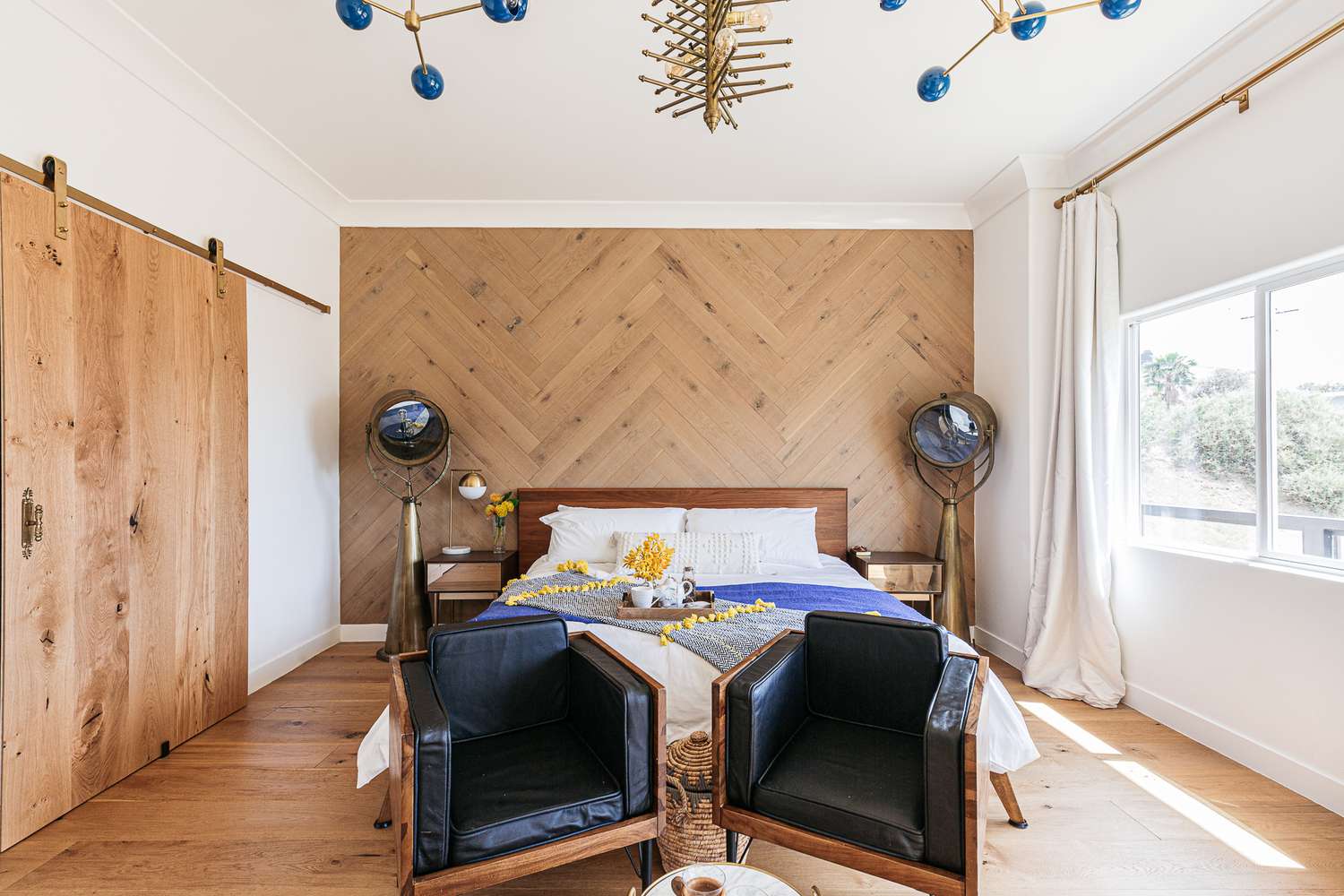
The Ultimate Guide to Small Room Ideas: Transforming Compact Spaces into Stylish Sanctuaries
Living in a small space is not a limitation; it’s a creative opportunity. The quest for brilliant small room ideas is more than just a trend—it’s a necessary skill for modern living, whether in city apartments, cozy cottages, or efficient homes. A well-designed small room can feel more intentional, personal, and inviting than a sprawling, under-furnished hall. This comprehensive guide moves beyond basic tips to explore the philosophy, strategies, and stylish details that transform cramped quarters into curated, multifunctional havens. We’ll delve into the art of optical illusions, smart furniture, and innovative storage to help you create a space that doesn’t just function but truly inspires.
The Philosophy of Living Large in Small Spaces
The foundation of any successful small room design is a shift in mindset. Instead of fighting the room’s dimensions, the most effective small embrace and work within them. This means prioritizing quality over quantity, intentionality over accumulation, and personalized function over generic layouts. As one expert notes, solving practical issues comes first, and applying your personal style follows once you have a functional solution in place. This approach turns constraints into a creative framework.
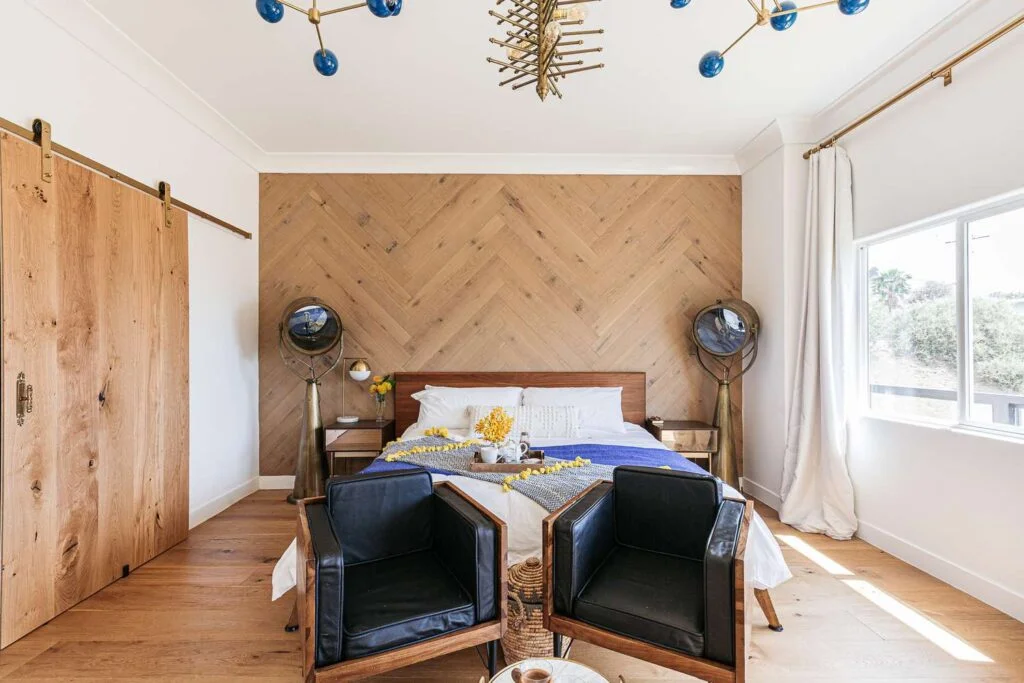
This philosophy champions “losing space to gain space.” Incorporating purposeful, built-in elements like a banquette with hidden storage or a bed with integrated side tables might use a few centimeters, but it eliminates awkward gaps and floor-hogging furniture. The result is a room that feels organized, spacious, and perfectly tailored. It’s about seeing the raw potential in every nook—the space above a radiator, the inside of a window reveal, or the side of a chimney breast—and imagining clever uses that others might overlook.
Mastering Color and Light: The Illusion of Space
Color is your most powerful tool for shaping perception. While classic advice leans toward all-white palettes, contemporary small room ideas are far more nuanced. Light, soft colors on walls, ceilings, and woodwork remain a gold standard as they help dissolve boundaries, making the room’s edges seem to recede. This creates an airy, open feel. However, don’t fear depth. Designers in 2026 are using rich, saturated colors like deep greens and plums to create intimate, jewel-box spaces that feel cozy and collected rather than cramped.
The magic happens in the application. A technique gaining popularity is “color-drenching,” where walls, trim, and even ceilings are painted the same hue. This seamless flow eliminates visual stops and starts, tricking the eye into perceiving more volume. For a lighter approach, a monochromatic scheme using varying textures of the same color family adds sophistication without closing the room in. The key with any color, light or dark, is to ensure it reflects light well. Pair deeper walls with strategic, ample lighting to maintain a sense of airiness.
Strategic Furniture Selection and Placement
Furnishing a small room is an exercise in precision. Every piece must earn its place by serving multiple functions or boasting a space-saving form. The goal is to minimize visual weight and physical footprint. Opt for furniture with exposed legs (sofa, bed, armchairs) to allow light to pass underneath, creating a feeling of floor space. Scale is critical; a low-profile platform bed and a sleek, armless sofa can make a ceiling feel higher and a room feel wider.
Innovative and multifunctional pieces are non-negotiable. Think a storage ottoman that serves as a coffee table and extra seating, a wall-mounted desk that folds away, or a nesting set of side tables. Don’t overlook antiques, which often come in slim, elegant proportions perfect for small spaces—Georgian sofas with upright backs, for example, or vintage folding chairs and tilt-top tables. The following table compares different furniture strategies for maximizing a small room:
Furniture Strategy Comparison for Small Rooms
| Strategy | Best For | Key Benefit | Consideration |
|---|---|---|---|
| Built-In & Custom | Bedrooms, Living Room Alcoves | Eliminates awkward gaps; maximizes every inch; creates a streamlined, high-end look. | Higher initial cost; less flexibility for future rearrangement. |
| Multifunctional Pieces | Studio Apartments, Living Rooms | Reduces total number of items needed (e.g., sleeper sofa, storage bed). | Can be more expensive; mechanism must be durable and easy to use. |
| Slim & Transparent | Any room needing visual flow | Reduces visual bulk; acrylic or glass furniture “disappears” in a space. | May offer less storage; requires diligent organization. |
| Folding & Stacking | Dining Areas, Home Offices, Guest Rooms | Provides flexibility; items can be stored away when not in use to free up floor space. | Requires accessible storage for folded items; may feel less permanent. |
| Vertical & Wall-Mounted | Offices, Bedrooms, Living Rooms | Frees up valuable floor space entirely; draws the eye upward. | Requires secure installation into wall studs; fixed height. |
The Art of Intelligent Storage and Organization
In a small room, clutter is the enemy of design. Intelligent storage is the silent hero that makes stylish small room ideas possible. The principle is simple: a place for everything, and everything in its (hidden) place. The first step is a ruthless and regular purge. As one experienced small-space dweller advises, “The best way to keep a small space organized is by decluttering like crazy and only keeping what’s really important!” Be ruthless about duplicates and “just in case” items.
Once you’ve curated your belongings, it’s time to get creative. Utilize every possible dimension: think vertically with tall shelving units, use the backs of doors for hanging organizers, and don’t forget under-bed storage. Built-in joinery is the ultimate solution, transforming awkward walls and nooks into seamless cabinets and shelves. For a more flexible approach, modular systems like clear, stackable organizers or customizable closet systems can turn a standard cupboard into a hyper-efficient storage hub. The golden rule is to get as much off the floor as possible; a clear floor is the single greatest contributor to a feeling of spaciousness.
Lighting and Layering: Creating Depth and Atmosphere
Lighting in a small room should be layered and intentional, serving as both a functional tool and a design element. A single overhead light creates harsh shadows and flattens the space. Instead, build an atmosphere with a mix of sources. Start with ambient lighting—this could be a statement pendant or a slim, wall-mounted fixture that doesn’t project too far into the room. Then, add task lighting at key points: a focused lamp on a desk, swing-arm sconces by the bed, or a reading light next to a chair.
Finally, incorporate accent lighting to add magic and dimension. LED strip lights inside a bookshelf, a small picture light over art, or even a plug-in wall sconce can create pools of light that make a room feel larger and more dynamic. As 2026 trends highlight, lighting is becoming more character-rich, with pieces that serve as sculptural art and immediately set a mood upon entering a room. Don’t forget the power of natural light. Use sheer or light-filtering window treatments to maximize it, and place mirrors strategically opposite windows to double the sunlight and the view.
Infusing Personality and Style Without Clutter
A small room must be highly functional, but it should never be sterile or devoid of character. The challenge is to express personality without adding physical clutter. This is where the concept of “intentional clutter” or thoughtful curation comes into play. It’s about selecting a few meaningful, well-displayed items rather than many small trinkets. Designers note a shift towards maximalism with more texture and curated gallery walls, proving “personality doesn’t always have to shout to be heard”.
Tell your story through texture and art. A gallery wall of diverse frames and media adds layers of interest without consuming floor space. Textiles are your best friend—a nubby throw, a velvet pillow, or a layered rug adds immense coziness and visual depth. In fact, layering a small, patterned vintage rug over a larger natural fiber base is a celebrated trend for adding warmth and story. Even functional items can be decorative; a beautiful water carafe on a bedside table or a collection of pottery on open shelving merges utility with style.
“The era of knife-edge pillows and simple square upholstery is fading as people seek artistry, character, and individuality in their furniture.” – Avery Cox, Interior Designer, on 2026 living room trends
Designing for Specific Small Rooms
While the core principles are universal, each room type has unique demands. Here’s how to apply these small room ideas across your home.
Small Bedrooms: The primary goal is sanctuary. A low-profile bed, ideally with built-in storage drawers, is essential. If possible, opt for built-in bedside shelving or wall-mounted tables to free up floor space. Use a large mirror, and choose a wardrobe with sliding doors to avoid door swing. In children’s or teens’ rooms, go vertical with bunk beds or lofted beds with a desk or lounge area underneath.
Small Living Rooms: Focus on creating distinct zones for different activities—a conversation cluster, a reading nook, a media area. Choose a sofa with a slender profile and exposed legs. A few large-scale pieces often work better than many small ones. Consider a wall-mounted media unit to keep the floor clear and incorporate pass-through or glass elements to maintain sightlines into adjacent rooms.
Small Home Offices: In a shared room, use a room divider, a large bookcase, or even a curtain to visually separate your work zone. A wall-mounted or floating desk is ideal. Maximize vertical space with shelves and pegboards above the desk. A rolling cart can hold supplies and be tucked away after hours.
Small Kitchens & Bathrooms: Here, the “off-the-floor” rule is paramount. Use wall-mounted racks, magnetic strips for knives, and over-the-door organizers. Open shelving can make a small kitchen feel more open, but it requires tidy organization. In bathrooms, a wall-mounted vanity and a mirrored cabinet provide crucial storage without bulk.
Conclusion: Embracing the Beauty of Compact Living
Transforming a small room is a deeply rewarding process that blends logic with creativity. It’s about making smart, strategic choices that align with how you truly live and what brings you joy. By adopting a philosophy of intentionality, mastering the illusions of color and light, selecting furniture for both form and function, and deploying storage like a secret weapon, you can create a space that feels expansive, serene, and uniquely yours. The best small room ideas don’t fight against the square footage; they celebrate its potential for coziness, efficiency, and highly personal style. Remember, a well-designed small room isn’t a compromise—it’s a curated haven that proves living large has nothing to do with size.
Frequently Asked Questions
What is the best color to make a small room look bigger?
While soft whites and neutrals are classics for reflecting light and creating airiness, they are not the only option. The most effective approach is to use a light, reflective color on walls, ceiling, and trim to dissolve boundaries. However, don’t be afraid to use deeper, saturated colors on an accent wall or in a room with excellent natural light; when done confidently, this can create a cozy, intimate feel that is just as desirable as an airy one. The key is consistency and good lighting.
How can I add storage without making the room feel cramped?
The secret is to use “invisible” or multifunctional storage. Look for furniture with built-in storage (like ottomans, beds, and window seats), utilize vertical space with floor-to-ceiling shelves or cabinets, and invest in organizers for inside closets and drawers. The goal is to keep the floor as clear as possible and tuck belongings away behind closed doors or inside furniture, which keeps surfaces clean and the room feeling open.
Can I have a large bed in a small bedroom?
Yes, but it requires planning. A king-sized bed can be the focal point if you minimize other furniture. Consider a platform bed with integrated storage drawers underneath to eliminate the need for a large dresser. Use wall-mounted sconces for bedside lighting instead of tables, or choose a bed frame with built-in side shelves. The room must be primarily dedicated to sleep, with other functions moved elsewhere.
What are some common mistakes people make when decorating small rooms?
Major mistakes include using too many small, scattered pieces of furniture (which creates visual chaos), blocking natural light with heavy window treatments, pushing all furniture against the walls (which can leave an awkward dead space in the middle), and trying to incorporate too many patterns or dark colors without sufficient lighting. Another common error is neglecting vertical space for storage, leaving the floor cluttered.
How do I divide a small room into different functional areas?
You can create zones without building walls. Use area rugs to define spaces, employ a room divider like a bookshelf or a curtain, or arrange furniture to create distinct groupings (e.g., a desk and chair facing a wall for an office zone, with a sofa perpendicular to it for a living zone). Consistent small room ideas often involve this kind of strategic zoning to make one room serve multiple purposes efficiently.