




Greenland 2: Migration: The Definitive Guide to the Apocalyptic Sequel
Introduction
The journey continues into the aftermath of catastrophe. Following the surprise success of 2020’s Greenland, a film that carved out a niche for emotional resonance in the disaster genre, the long-awaited sequel, Greenland 2: Migration, has arrived. Directed once again by Ric Roman Waugh, this film shifts the paradigm from frantic escape to arduous survival, asking a question most disaster movies avoid: What happens after the world ends? The film picks up the story of the Garrity family—John, Allison, and Nathan—five years after the Clarke comet fragments devastated Earth, forcing them out of their Greenland bunker sanctuary on a desperate trek across a shattered Europe. This article serves as your ultimate guide to the film, exploring its creation, its scientific underpinnings, its critical reception, and its place within the broader landscape of apocalyptic cinema.
The Narrative Journey of Survival and Hope
Greenland 2: Migration begins not with a looming threat, but with a collapsing refuge. The Garrity family, having survived the initial apocalypse, now faces the failure of their underground sanctuary in Greenland due to massive earthquakes. This forces them and a handful of survivors onto the surface of a planet still in the throes of violent tectonic and volcanic chaos, plagued by sudden electromagnetic storms and lingering radioactive fallout. The core narrative transforms from the first film’s race against time into a grueling pilgrimage, as the family hears rumors of a safe zone within the Clarke impact crater in Southern France, a place where life may have begun to miraculously rebound.
The journey becomes a brutal odyssey across the corpse of civilization. From the ruins of Liverpool and London to the dried-out wasteland of the English Channel, the Garritys confront both environmental horrors and the dark extremes of human nature in a world without rules. The film grapples with profound themes of sacrifice and legacy, particularly as John Garrity confronts his own mortality from radiation exposure, driven by the singular goal of ensuring his family reaches safety. This narrative focus on the “day after” positions Greenland 2 as a rare sequel that genuinely expands its universe, trading the first film’s global panic for an intimate, ground-level view of long-term survival.
A Cast Reunited and Evolved
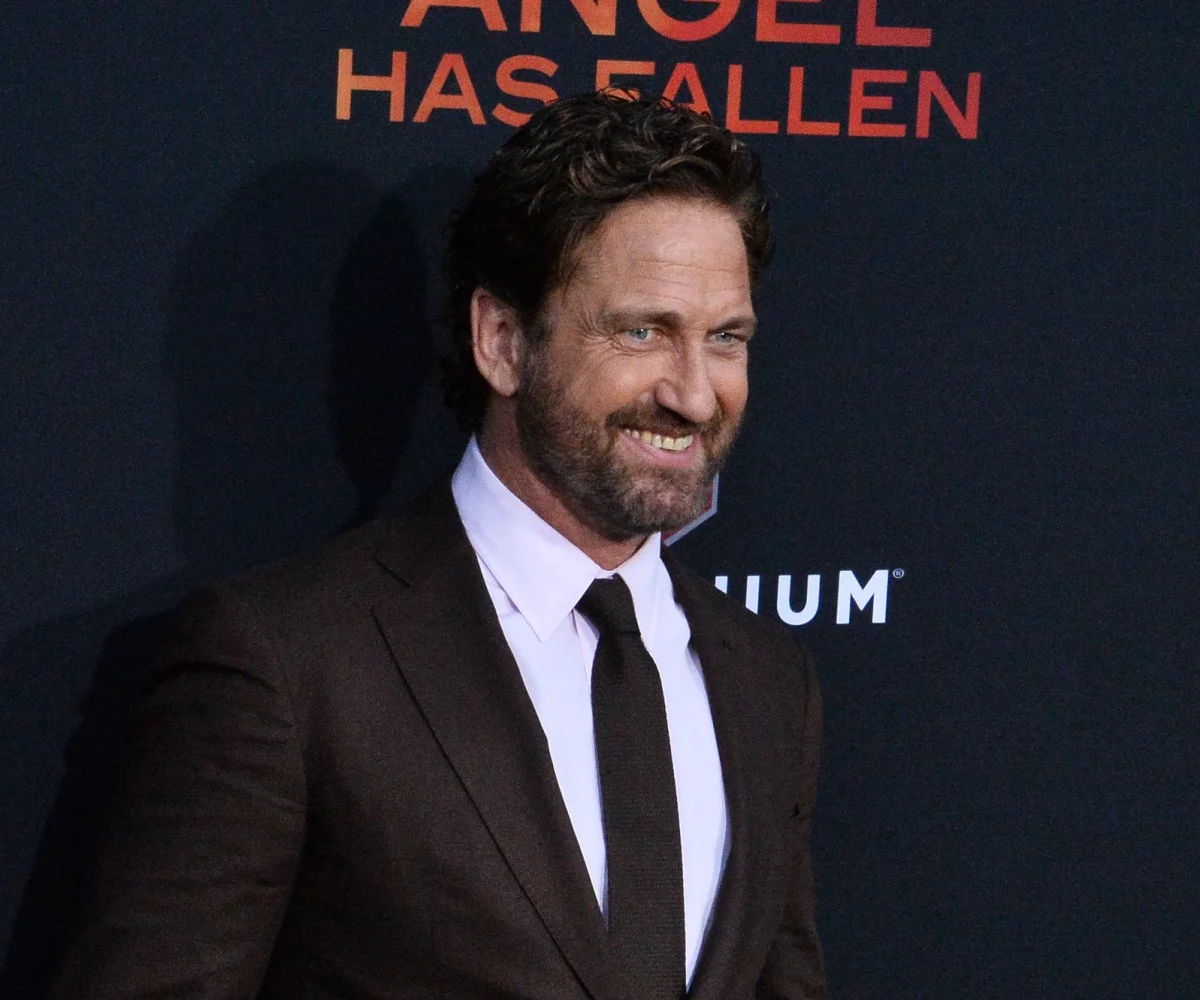
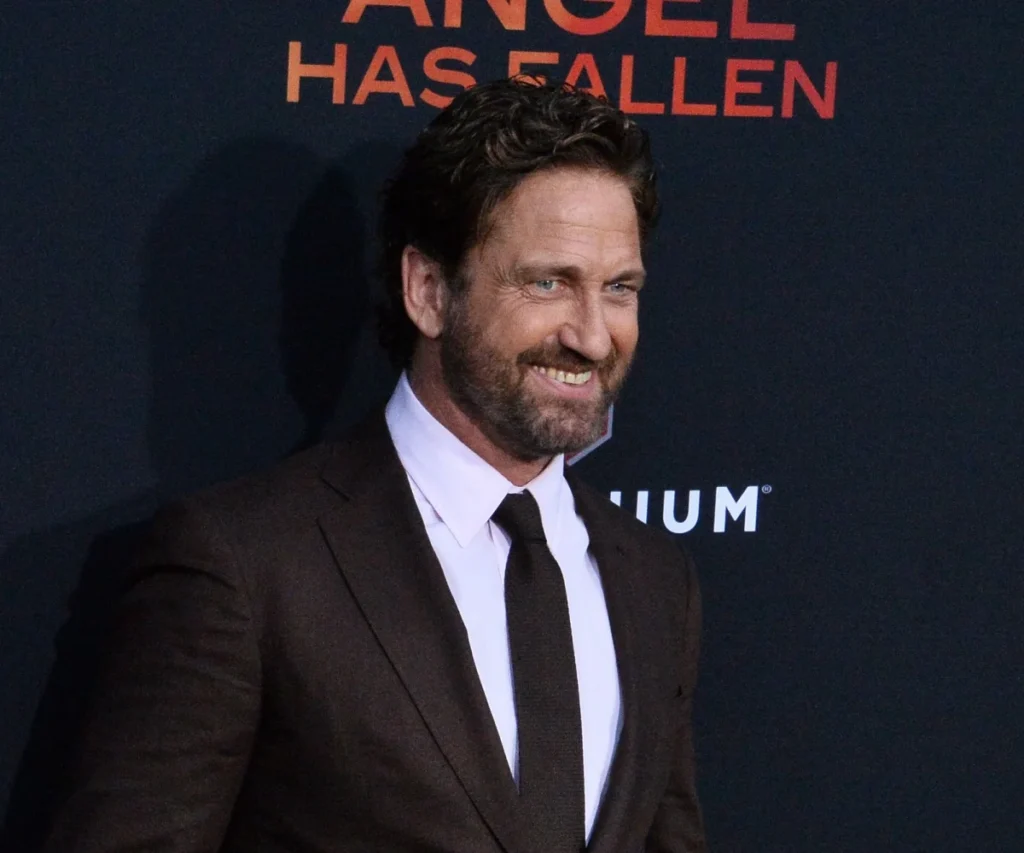
The emotional core of Greenland 2: Migration rests firmly on the returning performances of its lead actors. Gerard Butler reprises his role as John Garrity, the structural engineer whose practical skills and paternal devotion are again tested, but now tempered by years of hardship and a fatalistic weariness. Morena Baccarin returns as Allison Garrity, who has evolved from a worried spouse into a leader within the bunker community, showcasing a resilience that becomes vital for the family’s survival. Their dynamic reflects a partnership forged in fire, offering a more nuanced portrait of a marriage under perpetual strain.
A significant casting change marks the passage of time: Roman Griffin Davis takes over the role of Nathan Garrity, replacing Roger Dale Floyd to portray the character as a 15-year-old teenager. This recasting physically embodies the five-year jump and introduces a young man restless to explore and contribute, rather than the vulnerable child of the first film. They are joined by new characters like Dr. Amina (Amber Rose Revah), a scientist whose theory about the Clarke crater propels the journey, and Camille (Nelia Valery Da Costa), a French teenager who joins the family, representing the new bonds formed in the apocalypse. The ensemble works to ground the large-scale disaster in recognizable human relationships.
Behind the Scenes: Directing a Shattered World
Bringing this expanded, broken world to the screen fell once more to director Ric Roman Waugh, who saw the Garritys’ story as a natural two-part saga. “I always felt like the journey of the Garrity family would be a two-part series,” Waugh explained. “It would be getting them to the bunker and then… the second movie would pick up afterwards. Now, what would you do to pick up the pieces?”. His vision for the sequel was to explore the legacy of mankind and the daunting task of carrying it forward, a thematic ambition that set the tone for the entire production. This required a shift from the impending dread of the first film to a sustained atmosphere of desolation and fragile hope.
The practical challenge was depicting a planet in a state of chaotic rebound. Principal photography commenced in April 2024, utilizing locations across the United Kingdom and Iceland to capture the required stark, post-apocalyptic landscapes. Waugh and his team studied real-world ecological disasters, like the wildfires in Australia and Northern California, to understand how nature reclaims scorched earth. They also researched events like the Chernobyl disaster to inform the depiction of radiation’s effect on foliage. The goal was always a grounded, tactile feel, even when the scenes involved unimaginable cataclysm, blending practical set builds with digital extensions to create a believable ruined world.
The Art of Visual Effects: Crafting Catastrophe
The visual effects (VFX) in Greenland 2: Migration were tasked with a complex dual mandate: to impress with scale and to convince with authenticity. Under Visual Effects Supervisor Marc Massicotte, a team of vendors, including Pixomondo, Hybride Technologies, and Crafty Apes, created between 400 and 500 VFX shots over four to five months. A key creative addition was the “ghost ring,” a celestial debris field formed from the ejecta of the Clarke impact, which remains in orbit and serves as a constant source of falling meteorites, perpetuating the planet’s danger. This element provided a persistent, looming threat that visually connects the sequel to the original disaster.
One of the most striking set pieces is the dried English Channel, reimagined as a massive, fog-choked crevasse. This was a massive undertaking, combining high-altitude practical sets for the action sequences—where actors performed real stunts on ladders over pits—with full digital environment creation. “The English Channel is spectacular because that was completely created from scratch,” Waugh noted, expressing pride in the sequence’s execution. Similarly, the destruction of the Greenland bunker was achieved through a meticulous handshake between Terry Glass’s special effects team, who built shaking sets and falling debris, and the VFX artists who extended the destruction digitally. The film’s finale, the Clarke Crater itself, was realized largely through detailed matte paintings and projections aimed at creating a lush, hopeful oasis contrasting the grim journey.
Scientific Foundation and Creative License
Greenland 2: Migration walks a line between plausible science and dramatic necessity. The film’s foundational concept—that an extinction-level comet impact would trigger long-term environmental chaos—is rooted in real scientific theory. The sequel introduces threats like persistent radiation storms and sudden tectonic shifts, consequences that are theoretically sound, though the film compresses their timelines and intensifies their frequency for narrative tension. As one analysis notes, these events are “played up for dramatic purposes,” as a real-life event of similar scale would unfold its ecological consequences over millennia, not years.
The most significant scientific conceit is the film’s destination: the Clarke Crater as a nascent Garden of Eden. This idea is inspired by the real-life theory of “impact crater rejuvenation,” where an asteroid strike can create a unique microclimate and, over vast geological time, even seed new life. The film draws a direct parallel to the Chicxulub impact that wiped out the dinosaurs, which ultimately led to new ecological epochs. However, Greenland 2 dramatically accelerates this process, presenting a fertile paradise just five years post-impact. While not scientifically accurate, this leap allows the film to pivot from utter despair to a tangible symbol of hope and renewal, serving its thematic purpose.
Critical Reception and Audience Response
Upon its release in January 2026, Greenland 2: Migration received a mixed to average critical reception. On the review aggregator Rotten Tomatoes, 48% of 79 critics’ reviews were positive, with the consensus stating the film offered less bang than its predecessor but was “reasonably compelling” due to Butler’s star power. Metacritic assigned a weighted average score of 49 out of 100, indicating “mixed or average reviews”. Critics often praised the film’s ambition in exploring post-apocalyptic survival but faulted its execution, with some finding it a “by-the-numbers sequel” that lacked the human drama and grounded tension of the original.
Audience reactions, measured by CinemaScore, averaged a “B-” grade. Viewer opinions on platforms like IMDb highlight a split between those who appreciated the shift to a gritty survival journey and those who found the plot illogical and the characters underdeveloped. Common points of critique included the perceived convenience of finding fuel and supplies, the underutilization of Nathan’s diabetes as a plot point, and the sometimes-conspicuous quality of the visual effects. Despite these criticisms, many viewers found the core family dynamic and the film’s stakes engaging enough to carry the narrative to its emotional conclusion.
Box Office Performance in a Changing Landscape
Greenland 2: Migration entered a cinematic marketplace very different from its predecessor’s pandemic-era debut. With an estimated production budget of $90 million, the film’s financial success was contingent on a strong theatrical run. It premiered in several European territories on January 6, 2026, before opening in the United States on January 9. The film earned $900,000 from domestic preview screenings and grossed approximately $8.5 million in its U.S. opening weekend. These figures, while modest, must be contextualized within the broader shift in how audiences consume mid-budget action thrillers post-pandemic.
The sequel’s box office trajectory reflects the challenges facing non-franchise genre films in the modern era. Unlike the first Greenland, which found significant success through Video-on-Demand (VOD) during theater closures, Migration was a pure theatrical play. Its performance, while not a breakout hit, demonstrates a continued audience appetite for disaster-driven stories, particularly those centered on relatable familial stakes. The film’s ultimate financial outcome will be determined by its longevity in theaters and its subsequent performance in the home entertainment and streaming windows, where the first film built a considerable following.
Thematic Depth and Genre Commentary
Beneath its survival-action exterior, Greenland 2: Migration engages with weighty themes that elevate it above pure spectacle. The film is fundamentally about migration—not as a choice, but as a last resort for continued existence. This resonates with a modern global context, framing the Garritys not as heroes but as displaced persons seeking sanctuary. The narrative consciously explores what it means to carry civilization forward. This is evidenced in small details, like the mention that bunker planners included more therapists than surgeons, anticipating the profound psychological trauma of the survivors.
The film also presents a stark commentary on human nature under collapse. The journey illustrates a spectrum of responses, from the predatory marauders and territorial soldiers to the compassionate French family and the caregiver tending to Alzheimer’s patients in a ruined hospital. This dichotomy asks whether the core of humanity is selfishness or altruism when society’s structures vanish. Furthermore, John Garrity’s arc transforms him into a Moses-like figure, guiding his family to a promised land he is fated not to fully enter, investing the survival thriller with a layer of mythological tragedy.
Comparative Analysis with the Original Greenland
A direct comparison between Greenland and Greenland 2: Migration reveals a deliberate and consequential evolution in scope, tone, and stakes. The table below breaks down the key distinctions between the two films.
| Feature | Greenland (2020) | Greenland 2: Migration (2026) |
|---|---|---|
| Primary Narrative Drive | Impending Threat: A race against time to reach safety before the comet hits. | Consequential Aftermath: A grueling journey for a new home after safety fails. |
| Core Setting | Functioning (but collapsing) modern society in North America. | A fully post-apocalyptic wasteland across the Arctic and Europe. |
| Central Conflict | Man vs. Time/Chaos: Navigating societal breakdown and natural disaster. | Man vs. Environment/Self: Surviving a hostile world and internal sacrifice. |
| Character Focus | Fractured Family: The family is separated, focusing on individual struggles to reunite. | Unified Family Unit: The family stays together, focusing on collective survival and legacy. |
| Tonal Emphasis | High-anxiety thriller, relentless pacing, global-scale panic. | Grim survival odyssey, atmospheric dread, intimate-scale despair and hope. |
| Symbolic Destination | Greenland: A government bunker, representing institutional salvation. | Clarke Crater: A rumored natural haven, representing organic renewal and myth. |
| Scientific Premise | The immediate physics and global effects of a comet impact. | The long-term geological and ecological aftermath of an impact (dramatized). |
This shift means the sequel is inherently a different type of film. As noted in reviews, the first film’s strength was its “emotional core” and “grounded” feel during a chaotic escape. The sequel exchanges that for a “gritty” and often “grim” road-movie structure, which some critics felt replaced human drama with familiar post-apocalyptic tropes. However, this evolution is necessary; the sequel logically explores the next chapter, trading the terror of the collapse for the profound challenge of enduring its endless consequences.
Parental Guidance and Content Analysis
Greenland 2: Migration is rated PG-13 for intense sequences of disaster action, brief strong language, and some thematic elements. Parents and viewers seeking content guidance should note the film contains significant violence, though it is largely stylized within the disaster genre. Characters die from comet fragments, tsunamis, earthquakes, and gunfire, with bloodsight generally minimized but occasionally present. The film depicts a desperate, lawless world where human-on-human violence is common, including ambushes and large-scale military battles.
Thematic elements are mature, dealing with extinction, loss, and terminal illness. Language includes several uses of the s-word and miscellaneous profanities, along with a handful of misuses of divine names. On a positive note, the film strongly emphasizes familial love, sacrifice, and unexpected kindness. The Garritys are portrayed as a supportive unit, and their journey highlights selfless acts from strangers. The film contains no sexual content beyond brief kissing between married partners, and while it includes spiritual references like a recited Irish blessing, it does not advocate for a specific religious viewpoint.
The Film’s Legacy and Cultural Footprint
As a sequel to a film that itself was a sleeper hit, Greenland 2: Migration secures the Garrity family’s story as a distinct duology within Gerard Butler’s filmography and the disaster genre. Its primary legacy may be its earnest attempt to treat the aftermath of a global catastrophe with a degree of seriousness often reserved for smaller, prestige dramas. While its execution divided critics, its ambition to ask “what happens next?” fills a narrative gap most blockbusters ignore. It positions itself less as a rival to fantastical disaster romps like Moonfall and more as a companion to grounded, human-scale stories like The Road or Children of Men.
The film also arrives during a period of heightened real-world anxiety about climate change and global instability, which may color its reception. Its depiction of mass migration, resource scarcity, and societal fragmentation can’t help but echo contemporary headlines. Whether Greenland 2: Migration is remembered as a worthy successor or a missed opportunity will depend on individual viewer priorities—those seeking logical consistency and groundbreaking plot may be disappointed, while those invested in the Garritys’ journey and the film’s somber exploration of endurance may find its conclusion impactful. It stands as a testament to the challenge of making a disaster movie sequel that is both commercially viable and narratively necessary.
Conclusion
Greenland 2: Migration is a film defined by its difficult but logical transition. It bravely leaves behind the formula that made its predecessor a hit—the ticking-clock escape—to navigate the more complex, somber territory of what follows. Through the continued committed performances of Gerard Butler and Morena Baccarin, and under Ric Roman Waugh’s direction focused on legacy, the film offers a vision of apocalyptic survival that prioritizes human connection over sheer spectacle. While its scientific leaps and narrative conveniences prevent it from matching the grounded urgency of the first film, it succeeds in crafting a distinct, melancholic odyssey. Ultimately, Greenland 2: Migration completes the Garrity family’s arc not with a promise of restored normalcy, but with the hard-won hope for a new beginning, securing its place as a thoughtful, if imperfect, conclusion to a story of catastrophe and resilience.
Frequently Asked Questions (FAQ)
What is the basic plot of Greenland 2: Migration?
The film picks up five years after the comet impact from the first movie. The Garrity family is forced to evacuate their collapsing bunker in Greenland and embarks on a perilous journey across a decimated Europe. They are driven by rumors that the main impact crater in Southern France has become a safe, fertile haven, making their trek a desperate migration for survival.
How does the sequel differ from the original Greenland movie?
The key difference is the narrative phase. The original Greenland is a high-tension thriller about reaching safety before disaster strikes. Greenland 2: Migration is a post-apocalyptic survival odyssey about finding a new home after safety has failed. The tone shifts from anxious escape to grim endurance, focusing on the long-term aftermath of the global catastrophe.
Who are the main actors returning for the sequel?
Gerard Butler and Morena Baccarin return as John and Allison Garrity. The role of their son, Nathan, is recast with Roman Griffin Davis playing him as a teenager, reflecting the five-year time jump. They are joined by new cast members including Amber Rose Revah as Dr. Amina and Nelia Valery Da Costa as Camille.
Is the science in Greenland 2: Migration realistic?
The film uses real scientific theories about comet impacts and ecological recovery as a starting point but takes significant dramatic license. Concepts like the “ghost ring” of debris and the rejuvenation of an impact crater are inspired by real ideas, but the speed and intensity of the environmental changes are greatly exaggerated for cinematic effect and narrative pacing.
Where can I watch Greenland 2: Migration?
Greenland 2: Migration was released in theaters in the United States on January 9, 2026. Following its theatrical run, it will become available on digital purchase platforms, and eventually, for streaming rental or subscription. The specific streaming service that will host it has not been announced as of its theatrical release date.