





Title: The Tragic End of an American Icon: How Bob Saget Died and the Legacy He Left Behind
Meta Description: Actor and comedian Bob Saget died in 2022 from an accidental head injury. Explore the tragic details of his death, his lasting legacy, and the comedy career that defined him.
The Unthinkable Loss: Remembering Bob Saget
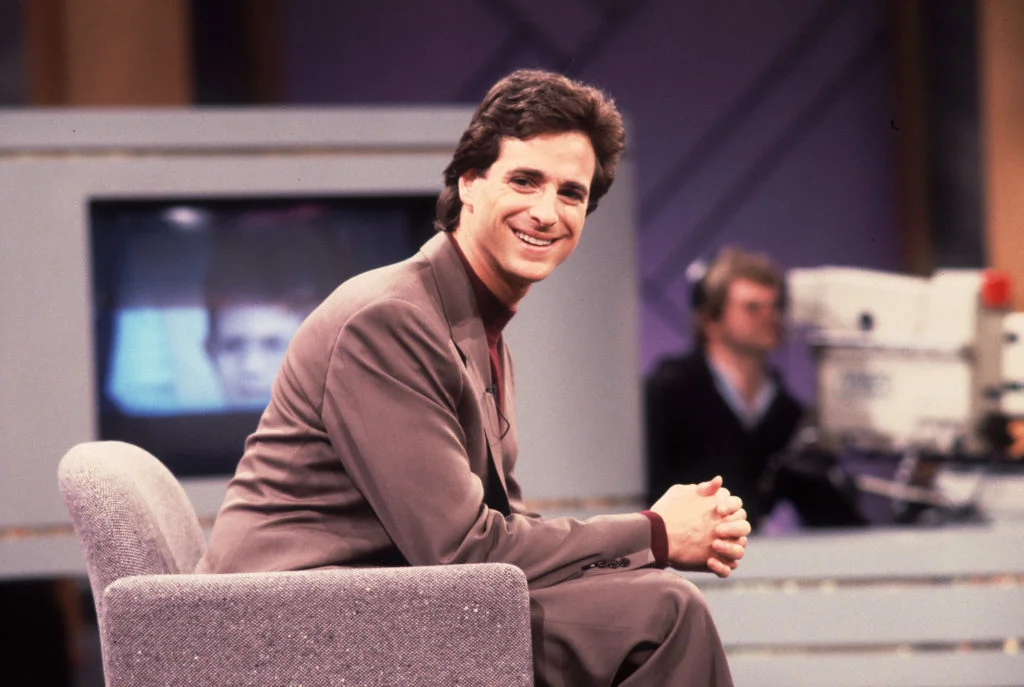
The sudden death of Bob Saget on January 9, 2022, sent shockwaves through the entertainment world and the hearts of millions who grew up with him. At 65, the beloved comedian and actor was found unresponsive in his Florida hotel room, leaving behind a legacy defined by both his iconic, wholesome television roles and his fiercely passionate, boundary-pushing stand-up comedy. The news that Bob Saget died was a jarring reminder of life’s fragility, cutting short the life of a performer who masterfully balanced family-friendly charm with a wickedly funny, honest perspective on life. In the days and years since, the story of his passing has evolved from initial mystery to medical clarity, painting a picture of a tragic accident that stole a husband, father, and friend from those who loved him. This comprehensive exploration delves into the circumstances of his death, the remarkable career it ended, and the profound, lasting impact of a man who taught generations to laugh.
The Final Hours and Shocking Discovery
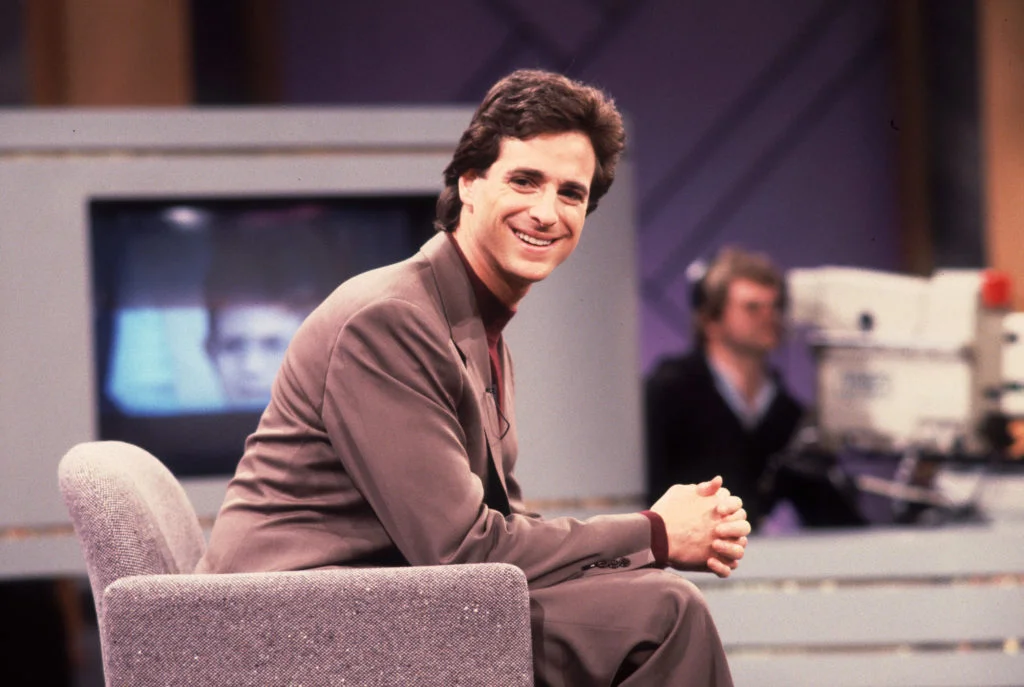
Bob Saget was in the middle of a stand-up comedy tour, a pursuit that represented his first love, when his life was cut short. On the evening of January 8, 2022, he performed at the Ponte Vedra Concert Hall near Jacksonville, Florida. By all accounts, it was a triumphant show. A venue promoter told investigators that Saget was “high on life” afterward, and a production coordinator noted he “had a good time talking with everyone”. He returned to his room at the Ritz-Carlton in Orlando, where he spent nearly ten minutes chatting amiably with a valet employee, even taking a selfie, before retiring for the night.
The following afternoon, after Saget failed to check out and his family grew concerned, hotel security entered his room at their request. What they found was a scene of peaceful, yet tragic, stillness. Saget was lying on his back in bed, partially covered, with no signs of a struggle, foul play, or that anyone else had been in the room. Authorities pronounced him dead at the scene. The world learned that Bob Saget died, but the “how” remained a painful mystery for his family, friends, and fans, setting in motion a thorough investigation to understand what happened in those final, private hours.
Unraveling the Medical Mystery
The initial absence of clear answers surrounding how Bob Saget died led to widespread speculation. The official answer came one month later, on February 9, 2022, with the release of the autopsy report from the Orange County Medical Examiner. The conclusion was definitive: Bob Saget died as a result of “blunt head trauma”. The medical examiner, Dr. Joshua Stephany, stated it was most probable that Saget “suffered an unwitnessed fall backwards and struck the posterior aspect of his head”.
The injuries were severe. The autopsy revealed a fracture at the base of his skull, with evidence of bleeding around his brain—conditions known as a subdural hematoma and a subarachnoid hemorrhage. Dr. Stephany explained that the force required to cause such a fracture, coupled with the unbroken skin on the back of his head, suggested the impact was against “something hard, covered by something soft,” like a carpeted floor. This kind of injury can stun a person, causing dizziness and confusion, and the bleeding can gradually compress the brain, leading to loss of consciousness and death in sleep. Notably, the report confirmed no drugs or alcohol were involved, and while he tested positive for COVID-19, the virus played no role in his death.
A Family’s Grief and a Quest for Privacy
In the wake of the public release of the autopsy findings, Bob Saget’s family issued a heartfelt statement that provided poignant context. They shared their belief that he likely hit his head, “thought nothing of it,” and simply went to sleep. This detail made the accident feel all the more cruel and random. Their statement focused not on the clinical details, but on his spirit: “As we continue to mourn together, we ask everyone to remember the love and laughter that Bob brought to this world, and the lessons he taught us all”.
The family’s grief was compounded by the intense media scrutiny. To protect their privacy and the dignity of their loved one, they took legal action. In February 2022, Saget’s family successfully sued to prevent the release of photographs and specific graphic details from the death investigation, obtaining a permanent injunction. A Florida judge ruled that while a redacted investigative report and some materials could be public, all photos depicting Saget’s body and sensitive video from inside the hotel room would remain permanently sealed. This painful but necessary step allowed them to mourn without the added trauma of having the most private moments of his death exposed to the world.
The Man Behind the Laughter: Early Life and Influences
Long before the world knew Danny Tanner, Bob Saget was a creative kid from Philadelphia with a nascent talent for making people laugh. Born Robert Lane Saget on May 17, 1956, into a Jewish family, his comic instincts emerged early; he once recalled winning kisses from girls in kindergarten simply for making them laugh. His initial career ambition, however, was medicine. That path shifted when a high school English teacher, Elaine Zimmerman, saw his creative spark and encouraged him to pursue acting or filmmaking instead.
He followed that advice to Temple University’s film school, where he created a award-winning short film, Through Adam’s Eyes, about a boy undergoing reconstructive surgery. It was during college that he began performing in New York comedy clubs, developing an oddball act that included making a guitar “weep” with a water bottle. A life-threatening health crisis after graduation—a burst, gangrenous appendix—proved a pivotal moment. Saget later said this near-death experience at age 22 cured him of being “cocky” and overweight, solidifying his drive to pursue comedy with a new perspective on life.
The Rise of America’s Favorite TV Dad
Bob Saget’s big break came in 1987 when he was cast as Danny Tanner, the widowed father of three on ABC’s Full House. The show was not an instant critical darling, but it found a powerful connection with family audiences, climbing into Nielsen’s Top 30 by its third season. As the neat-freak dad raising daughters D.J. (Candace Cameron Bure), Stephanie (Jodie Sweetin), and Michelle (Mary-Kate and Ashley Olsen) with the help of his brother-in-law Jesse (John Stamos) and best friend Joey (Dave Coulier), Saget became a fixture in American living rooms.
Simultaneously, he took on another role that cemented his family-friendly image: the original host of America’s Funniest Home Videos in 1989. For eight years, his warm, bemused commentary guided viewers through clips of pratfalls and pet antics. This dual presence made Saget a ubiquitous symbol of 90s network television. However, juggling the sitcom and the clip show created a growing internal tension. The wholesome persona was a successful act, but it was just that—an act that diverged sharply from his comedic roots and personal artistic desires.
The Other Side of the Coin: Saget’s Raunchy Stand-Up Persona
To truly understand Bob Saget, one had to see him on a stand-up stage. Away from the network cameras, he shed the Danny Tanner cardigan for a persona that was brutally honest, profane, and hilariously dark. This was not a secret side gig; it was, in his own words, his true love. His comedy specials and albums, like 2007’s That Ain’t Right and the Grammy-nominated 2014 album That’s What I’m Talkin’ About, were filled with X-rated material on sex, drugs, and the absurdities of life.
He delighted in the cognitive dissonance this created. A 2005 documentary The Aristocrats featured him delivering one of the filthiest versions of a classic dirty joke, shocking those who only knew him from TV. He leaned into this duality, titling his 2014 memoir Dirty Daddy: The Chronicles of a Family Man Turned Filthy Comedian. This “dual citizenship” in the worlds of clean-cut TV and raunchy comedy wasn’t a contradiction to him; it was the full expression of a complex comedian who refused to be pigeonholed.
Beyond Full House: A Diverse and Enduring Career
While Full House defined him for a generation, Bob Saget’s career was remarkably varied. After the show ended in 1995, he actively sought to break type. He directed the 1996 TV movie For Hope, a dramatic project inspired by his sister Gay’s death from scleroderma, demonstrating a depth far beyond sitcom laughs. He took on other TV roles, like the widowed father in Raising Dad (2001) and the star of Surviving Suburbia (2009), though neither replicated his earlier success.
Perhaps his most iconic post-Full House contribution was as the voice of Future Ted Mosby, the narrator of CBS’s hit sitcom How I Met Your Mother (2005-2014). His warm, slightly weary, and knowing narration became the show’s emotional backbone for nine seasons. He also made memorable cameo appearances, most notably playing a depraved, fictionalized version of himself on HBO’s Entourage, a meta-commentary on his own public persona. This period of his career showed an artist continually working, evolving, and connecting with new audiences.
The Full Circle: Fuller House and Later Projects
In 2016, Bob Saget returned to the role that made him famous, reprising Danny Tanner for Netflix’s sequel series, Fuller House. The show, which focused on D.J. Tanner-Fuller raising her own family, allowed for nostalgic cameos from the original cast. Saget appeared in 15 episodes across the show’s five-season run, providing a comforting bridge between the classic series and the new generation. It was a full-circle moment that honored his legacy while introducing Danny Tanner to a new streaming audience.
Never one to slow down, Saget remained active in his final years. He launched a podcast, Bob Saget’s Here For You, in 2020 to stay connected with fans during the pandemic. He participated in game shows like The Masked Singer (as the “Squiggly Monster”) and continued touring. His final Instagram post, reflecting on his Jacksonville show, captured an artist still in love with his craft: “I’m back in comedy like I was when I was 26. I guess I’m finding my new voice and loving every moment of it”. This was the passionate, forward-looking man whose journey was tragically interrupted.
Personal Life: Family, Loss, and Philanthropy
Behind the laughter, Bob Saget’s personal life was marked by profound love and deep loss. He was married to Sherri Kramer from 1982 to 1997, and together they had three daughters: Aubrey, Lara, and Jennifer. His role as a girl dad was one he cherished deeply. In 2018, he found love again, marrying television host Kelly Rizzo. His family was his anchor, a reality that made the news that Bob Saget died all the more heartbreaking for them.
Tragedy also struck his family of origin. He lost his sister Gay to scleroderma in 1994, and another sister, Andrea, to a brain aneurysm. Gay’s suffering moved him to become a dedicated advocate. He joined the board of the Scleroderma Research Foundation (SRF) and directed For Hope to raise awareness. His philanthropic efforts extended to other causes like breast cancer research and children’s rights, using his wealth and platform to give back meaningfully. This compassion revealed the genuine heart beneath both the TV dad and the foul-mouthed comic.
The Financial Legacy of a Comedy Career
Through a career spanning over four decades in television, film, and relentless touring, Bob Saget amassed a considerable fortune. At the time of his death, his net worth was estimated to be around $50 million. This wealth was built from multiple income streams: his salary from eight seasons of Full House, his long tenure hosting AFV, lucrative voiceover work on How I Met Your Mother, successful stand-up tours, and book deals.
While the exact details of his estate plan remain private, it is presumed his substantial assets were left to his wife, Kelly Rizzo, and his three adult daughters. His legacy, however, extends far beyond monetary value. It includes the charitable foundations he supported and the immense cultural impact of the characters he brought to life. The fortune he built is a testament to his hard work and versatility, but the true inheritance he left is one of laughter and love.
The Science of a Silent Injury: Understanding Head Trauma
The specific mechanism of Bob Saget’s fatal injury offers a sobering lesson in the dangers of head trauma, even from seemingly minor falls. As Chief Medical Correspondent Dr. Sanjay Gupta explained, the injury Saget suffered—a subdural hematoma—involves a collection of blood on the surface of the brain. This creates pressure inside the rigid skull, which can compress the brain tissue and brain stem, potentially leading to loss of consciousness and impaired breathing.
What makes such injuries particularly insidious is the “lucid interval.” A person can suffer a blow, be briefly dazed or confused, and then seem relatively normal for a period of hours as the bleeding slowly continues. This aligns with the family’s belief that Saget may have “thought nothing of it” before going to sleep. The table below outlines key aspects of this type of traumatic brain injury (TBI):
| Aspect of Injury | Description | Relevance to Bob Saget’s Case |
|---|---|---|
| Mechanism | Blunt force trauma causing tearing of bridging veins between brain and dura mater. | Caused by an unwitnessed backward fall, striking the back of his head. |
| Injury Type | Acute Subdural Hematoma: Bleeding in the space between the brain and its outermost covering. | Autopsy found evidence of subdural hematoma and subarachnoid hemorrhage. |
| Symptoms | Can include headache, dizziness, confusion, nausea, loss of consciousness. May have a “lucid interval.” | Likely experienced stunning, dizziness, or confusion but remained functional enough to go to bed. |
| Risk Factors | Advanced age, use of blood thinners, previous head injury, risk of falls. | Age 65; autopsy noted an enlarged heart and medications (Clonazepam, Trazodone) but no blood thinners. |
| Fatality | Can be fatal if bleeding is rapid or substantial, causing dangerous pressure on the brain stem. | The cumulative bleeding led to fatal brain compression while he was asleep. |
This medical reality underscores how a single, accidental moment can have irreversible consequences, highlighting the importance of seeking immediate medical attention for any significant head impact, especially if followed by symptoms like dizziness or confusion.
A Industry Mourns: Tributes from Co-Stars and Comedians
The news that Bob Saget died prompted an immediate and overwhelming outpouring of grief from across the entertainment industry. His Full House family was devastated. John Stamos, who played Jesse, expressed profound loss, writing years later, “Missing Bob feels like standing in a quiet room after the laughter stops”. Dave Coulier (Joey) shared, “I felt so helpless… there would no longer be those crazy funny voicemails from Bob”.
Candace Cameron Bure (D.J.) simply posted, “I miss you… Not just today, but every day”. The tributes extended far beyond his most famous sitcom. Fellow comedians, talk show hosts, and actors praised his kindness, generosity, and unique talent. This collective mourning highlighted a crucial point: while the public saw two Bob Sagets—the TV dad and the stand-up comic—the industry knew one profoundly genuine person who was deeply loved and respected. His death was not just the loss of a star, but the loss of a beloved pillar of the comedy community.
The Enduring Lessons of a Life Lived Fully
In their statement, Bob Saget’s family urged the public to remember the lessons he embodied: “to be kind to everyone, to let the people you love know you love them, and to face difficult times with hugs and laughter”. This, perhaps, is the most powerful legacy he leaves behind. Bob Saget lived these principles. He was famously kind and supportive of fellow comedians. He openly adored his family. And he used laughter as both a weapon and a shield against life’s inherent pain, including the tragic losses of his sisters.
His career teaches a lesson in authentic artistic expression—the courage to be multifaceted and resist being stereotyped. He never apologized for the contrast between his personas; he celebrated it as the full spectrum of his humanity. As the industry reflection after his passing noted, he was “cool enough to let us in on the joke,” inviting audiences to enjoy all sides of him. This authenticity created a connection that transcended any single role.
Conclusion: The Voice That Lives On
The tragic accident that led to Bob Saget dying in his sleep at 65 robbed the world of a unique and irreplaceable voice. His story is one of incredible success marked by poignant duality: the nation’s wholesome TV father who was also a master of profane comedy; the wealthy celebrity who was a dedicated philanthropist; the man who brought laughter to millions while navigating private sorrow. The detailed autopsy report closed the book on the mystery of his death, but it opened a wider appreciation for the fragility of life and the silent danger of head injuries.
Four years on, the laughter he inspired has not died. His work continues to stream, introducing Danny Tanner to new generations. His stand-up specials still shock and delight. The love from his family, friends, and fans, as seen in their ongoing tributes, remains a testament to his impact. Bob Saget’s legacy is not defined by the tragic way he died, but by the vibrant, generous, and uproariously funny way he lived. He taught us to clean our houses, question our boundaries, hug our loved ones, and never, ever stop laughing—lessons that ensure his spirit endures.
Frequently Asked Questions About Bob Saget’s Death and Legacy
What was the exact cause of Bob Saget’s death?
Bob Saget died from blunt head trauma. The medical examiner concluded that he accidentally fell backwards, striking the back of his head, which resulted in a skull fracture and bleeding around his brain (a subdural hematoma). He ultimately died from these injuries in his sleep.
Where and when was Bob Saget found dead?
Bob Saget was found unresponsive in his room at the Ritz-Carlton hotel in Orlando, Florida, on the afternoon of January 9, 2022. He was pronounced dead at the scene. The discovery was made after he failed to check out and his family requested a wellness check.
Were drugs or alcohol involved in Bob Saget’s death?
No. The autopsy report explicitly stated that no alcohol was present in his system. While prescription medications for anxiety (Clonazepam) and depression (Trazodone) were found, they were not factors in his death. The sole cause was the accidental head injury.
How did Bob Saget’s family respond to his death?
His family was devastated but sought privacy. They released statements focusing on his loving legacy and, based on the medical findings, shared that he likely hit his head and “thought nothing of it” before going to sleep. They also successfully pursued legal action to prevent the public release of graphic death photos and videos to protect their privacy during mourning.
What was Bob Saget’s net worth when he died?
At the time of his passing, Bob Saget’s net worth was estimated to be approximately $50 million. This fortune was accumulated over a 40-plus year career in television hosting, sitcoms, stand-up comedy tours, voiceover work, and book deals.