





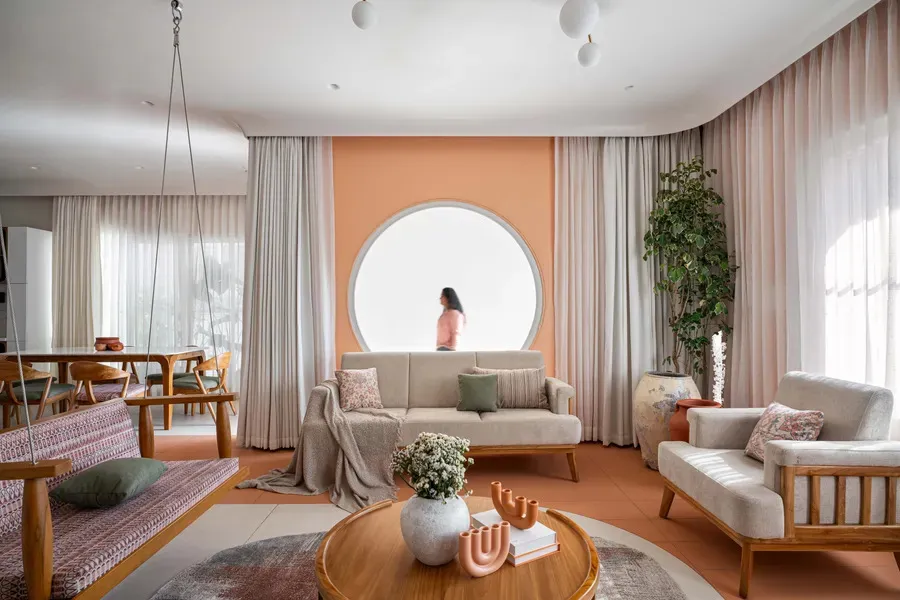
The Complete Guide to Small Living Room Design: Master Space, Style, and Comfort
Small living room design presents a unique and rewarding challenge. Far from being a limitation, a compact space invites creativity, intentionality, and smart solutions that transform it into a stylish, functional, and deeply personal haven. The ultimate goal is to create a room that feels expansive and inviting, not cramped and cluttered. This comprehensive guide will walk you through the principles, strategies, and inspiring ideas you need to master your compact living area, proving that thoughtful small living room design is the key to unlocking a home that is both beautiful and brilliantly practical.
The Foundational Philosophy of Small Space Design
Designing a small living room successfully begins with a shift in mindset. It’s not about squeezing the most furniture into a tiny box; it’s about curating an experience. Every single choice—from the scale of your sofa to the sheen of your paint—must earn its place by serving a clear purpose, either functional or aesthetic. The modern approach champions quality over quantity, flow over fragmentation, and clever illusion over sheer square footage. This philosophy turns constraints into a creative catalyst, ensuring your room is a true reflection of thoughtful small living room design.
The core principles that underpin this philosophy are scale, flow, and multi-functionality. Scale ensures furniture and decor are proportionate to the room itself, avoiding the visual crush of oversized pieces or the disjointed feeling of items that are too petite. Flow is about creating clear, unobstructed pathways for both movement and the eye, allowing the space to feel connected and easy to navigate. Finally, multi-functionality is the secret weapon, where a single piece, like an ottoman with storage or a sleek console that doubles as a desk, performs multiple duties, reducing clutter and maximizing utility.
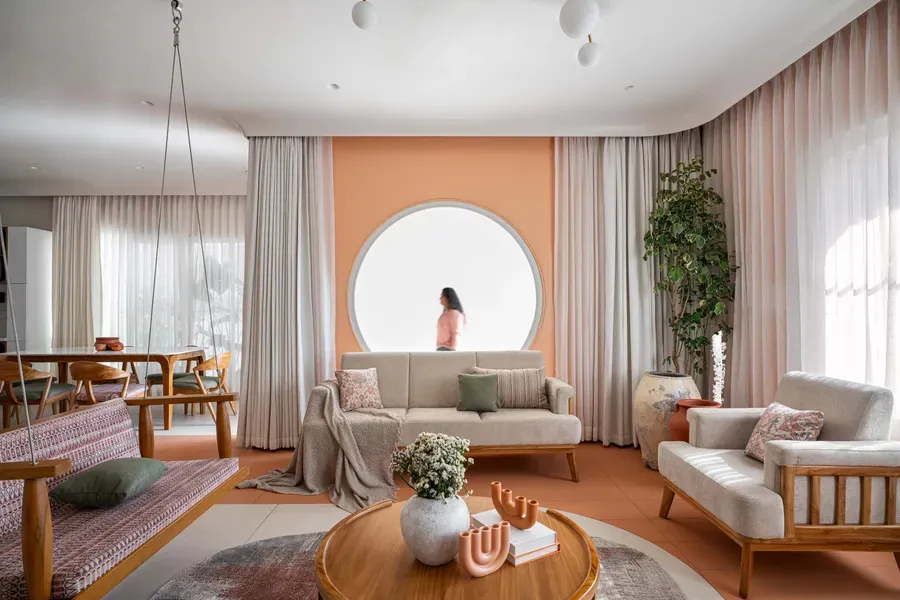
Mastering the Layout: The Blueprint for Flow
The arrangement of your furniture is the single most impactful factor in how your living room feels. A smart layout creates clear circulation paths, defines functional zones, and fosters a natural sense of balance. The key is to prioritize an “open center” strategy, which keeps the middle of the room as clear as possible to enhance the feeling of spaciousness. This often involves floating furniture away from the walls rather than lining them up perimeter-style, which can ironically make a room feel more boxed-in and less dynamic.
When planning your layout, always start with your focal point—be it a fireplace, a media console, or a stunning window view—and arrange seating to engage with it comfortably. In an open-plan space, use area rugs, lighting, or strategic furniture placement to subtly delineate the living area from a dining nook or home office without building physical walls. Remember, the goal of a successful small living room design is to create a layout that feels intentional and effortless, guiding both movement and social interaction with ease.
Selecting Furniture: The Goldilocks Principle
Choosing furniture for a compact space is a true exercise in the “Goldilocks Principle”: finding pieces that are neither too big nor too small, but just right. Oversized, deep-section sofas can swallow a room whole, disrupting flow and making navigation difficult. Conversely, a collection of too-small, underscaled pieces can make a room feel cluttered and insignificant, like dollhouse furniture in a real room. The ideal is to invest in a few perfectly scaled, key pieces that fit the space correctly and serve your needs.
Look for furniture with visual lightness and multiple functions. Sofas and chairs with exposed legs (often called “leggy” furniture) allow light and sightlines to pass underneath, making the floor space appear larger. Prioritize clean, streamlined silhouettes—like a sofa with a single bench cushion—over bulky, multi-cushion designs that can appear choppy. Finally, embrace dual-purpose items: a nesting table set that expands only when needed, a storage ottoman that serves as both a coffee table and a secret stash for blankets, or a slender console that provides surface space without bulk.
The Strategic Use of Color and Pattern
Color is your most powerful tool for manipulating spatial perception in a small living room design. While the classic advice is to stick with light, airy neutrals to reflect light and create an open feel, this is not a rigid rule. The true strategy lies in cohesion and intentionality. Using a monochromatic or tonal color scheme, where you layer variations of a single hue, can create a seamless, expansive look that allows the eye to travel uninterrupted around the room.
Dramatic colors and patterns can be used brilliantly in small spaces if applied thoughtfully. The trend of “color drenching,” where walls, trim, and even ceilings are painted the same rich hue, can be surprisingly effective, eliminating contrast lines that break up the space and creating a cozy, enveloping atmosphere. If using an accent wall, be cautious; a single bold or dark wall can visually “stop” the eye, making the room feel more boxed-in. Instead, consider carrying a bold wallpaper or color onto adjacent walls or into an alcove for a more fluid, spacious effect.
Lighting Strategies to Expand Space
Lighting is the unsung hero of spatial design. A single, harsh overhead “big light” can flatten a room and cast unflattering shadows, making it feel smaller. The professional secret is to build a layered lighting plan that sculpts the room with light and shadow, creating depth and dimension. As designer Purvi Padia advises, “Add one to two other light sources at varied heights to draw the eye to multiple places in the room. The scattered lighting creates beautiful depth and an illusion of larger space”.
Your lighting arsenal should include three key layers: ambient, task, and accent. Ambient light provides overall illumination (think ceiling fixtures or strategic wall sconces). Task lighting serves a specific function, like a floor lamp next to a reading chair. Accent lighting adds drama and highlights architectural features or artwork, such as a picture light or discreet LED strip. By placing light sources at different heights—floor lamps, table lamps, wall lights, and overhead—you draw the eye on a vertical journey, making the ceiling feel higher and the room more dynamic.
Intelligent Storage and Clutter Control
In a small living room, clutter is the enemy of calm and the thief of space. The goal is not to eliminate your belongings but to curate and conceal them intelligently. “Too many vases, trays, or other decorative objects can overload a space and contribute to a feeling of clutter,” notes designer Leigh Lincoln. The strategy is to be intentional, focusing on an economy of impactful pieces and ensuring every item has a designated home out of sight.
This demands built-in and multifunctional storage solutions. Consider floor-to-ceiling built-in shelves or cabinets that utilize vertical space efficiently, keeping the floor clear. Furniture that doubles as storage is invaluable: a hollow ottoman, a coffee table with drawers, or a media console with ample closed cabinets. The principle is “a place for everything.” When objects are neatly stored away, the negative space—or visual breathing room—in your living room becomes more noticeable, which is crucial for creating the illusion of a larger, more sophisticated space.
Decorative Elements and Final Flourishes
The final layer of your small living room design is where personality shines. Decor must be applied with a curator’s eye. Choose a few meaningful, well-scaled statement pieces rather than a collection of small trinkets. A single large piece of art can be more powerful than a gallery wall of small frames, as it creates a bold focal point without visual noise. Play with height and perspective by incorporating tall floor plants or a sculptural floor lamp to lead the eye upward.
Textiles and textures add warmth and depth without adding physical clutter. A plush throw, Small Living a nubby wool pillow, Small Living or a sleek leather accent introduce tactile interest that makes the space feel rich and inviting. When it comes to rugs, Small Living size matters immensely. Small Living A rug that is too small will float like an island and chop up the floor plan. Select a rug large enough to anchor the main seating area, Small Living with the front legs of all key furniture pieces resting on it, to unify the space and help your eye move smoothly across it.
Comparing Design Styles for Small Living Rooms
The table below outlines different stylistic approaches to small living room design, showing how each style interprets core principles to achieve a spacious feel.
| Design Style | Core Color Palette | Key Furniture Traits | Textural & Decorative Elements | Overall Spatial Effect |
|---|---|---|---|---|
| Soft Modern | Gentle neutrals (cream, soft grey, warm white) | Clean lines, leggy silhouettes, rounded organic forms | Bouclé fabric, knitted throws, light wood tones, subtle stone | Calm, airy, and intentionally uncluttered; feels expansive and serene. |
| Color-Drenched & Moody | Deep, saturated single hue (navy, forest green, charcoal) | Upholstered pieces in the same tonal family, streamlined shapes | Velvet, lacquered finishes, metallic accents, dramatic artwork | Cozy, enveloping, and sophisticated; eliminates visual breaks to feel seamlessly large. |
| Warm Scandinavian | Pale walls with warm wood and black accents | Lightweight, functional pieces often on legs, multi-functional | Natural wool, linen, woven baskets, handcrafted pottery | Light-filled, efficient, and inviting; emphasizes utility and warmth without bulk. |
| Eclectic & Collected | Coordinated neutral base with pops of accent color | Mix of vintage and new, curated over time for personal meaning | Layered rugs (with caution), global textiles, personal collections, books | Lived-in, personality-rich, and dynamic; feels larger through curated storytelling. |
Conclusion: Embracing the Potential of Your Compact Living Room
Exceptional small living room design is a masterful blend of illusion, intention, and personal expression. It moves beyond mere space-saving tricks to create an environment that feels uniquely tailored, effortlessly functional, and genuinely welcoming. By embracing the foundational principles of smart scale, fluid layout, cohesive color, and layered light, you can transform the perceived limitations of square footage into the very strengths of your home. Remember, the most successful small living rooms aren’t those that try to mimic sprawling estates; they are the ones that celebrate their coziness, prioritize comfort, and reflect the lives of the people within them. Start with a plan, edit ruthlessly, and choose each element with purpose. Your perfect, spacious-feeling haven awaits.
Frequently Asked Questions (FAQs)
What is the biggest mistake people make in small living room design?
The most common mistake is choosing oversized furniture. A large sectional or bulky armchair can swallow the room, disrupt traffic flow, and make the space feel cramped and difficult to navigate. Successful small living room design prioritizes proportion, seeking out pieces scaled specifically for compact areas to maintain a sense of balance and openness.
Should I only use light colors to make my small living room look bigger?
Not necessarily. While light colors are excellent for reflecting light and creating an airy feel, dark or bold colors can be used effectively through techniques like color drenching. Painting walls, trim, and ceilings the same deep hue eliminates contrast boundaries, making the room’s dimensions feel seamless and intentionally cozy, which can also create a perception of expanded space.
Can I have a statement piece, like a large light fixture, in a small living room?
Absolutely. A statement light fixture can be a fantastic focal point. The key is proportionality and supporting it with other light sources. Ensure the fixture is appropriately scaled for the room, and layer in additional lighting like floor and table lamps at different heights. This scattered lighting plan creates depth and draws the eye around, enhancing the sense of space.
How do I incorporate enough storage without adding bulky furniture?
Focus on vertical storage and dual-purpose pieces. Floor-to-ceiling built-in shelving makes use of often-wasted wall space. Choose furniture that works double-duty: an ottoman with a hollow interior, a coffee table with drawers, or a sofa with built-in storage compartments. The goal is to tuck necessities out of sight to maintain clean lines and reduce visual clutter.
Is it okay to use area rugs in a small living room?
Yes, but size is critical. A rug that is too small will make the seating area feel disconnected and visually fracture the floor. Select a rug large enough for the front legs of all your main seating furniture to rest on it. This anchors and unifies the space, creating a cohesive zone that helps the room feel more put-together and spacious.