





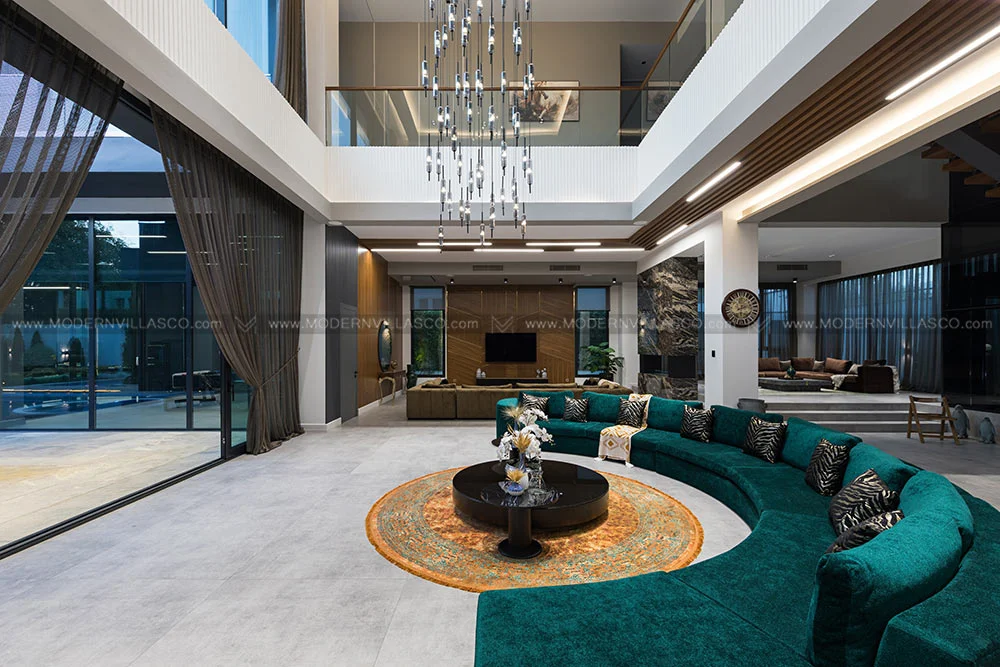
Why Interior Design Is Interesting: The Art and Science of Transforming How We Live best
Introduction
Interior design is often misunderstood as a purely decorative pursuit, a luxury reserved for flipping through glossy magazines or planning a one-time renovation. In reality, it is one of the most dynamic, multifaceted, and profoundly human-centric fields one can explore.Why Interior The question of why interior design is interesting reveals answers that stretch from the neuroscience of how color affects our mood to the global history woven into our furnishings, and from the tactical problem-solving of a small apartment layout to the strategic planning of spaces that enhance our daily lives.
It is a discipline where creativity meets physics, personal identity intersects with shared culture, and artistic vision is tempered by practical reality. Why InteriorThis inherent tension between art and science, expression and function, is what makes the world of interior design a endlessly fascinating subject. It is not merely about creating beautiful rooms; it is about shaping the very environments in which our lives unfold, influencing our well-being, productivity, and connections with others. To delve into interior design is to understand a fundamental part of the human experience—our innate desire to shape our surroundings and, in turn, be shaped by them.
The Foundational Appeal: A Fusion of Art and Rigorous Science
At its heart, interior design is interesting because it masterfully blends the intuitive freedom of art with the analytical discipline of science. It is a creative act akin to painting on a three-dimensional canvas, where colors, textures, forms, and light are your mediums. Yet, this artistry is grounded in concrete principles. Designers must understand spatial geometry, human ergonomics, the physics of light, and the load-bearing properties of materials. A stunning, cantilevered shelf is as much a feat of engineering as it is a sculptural statement.
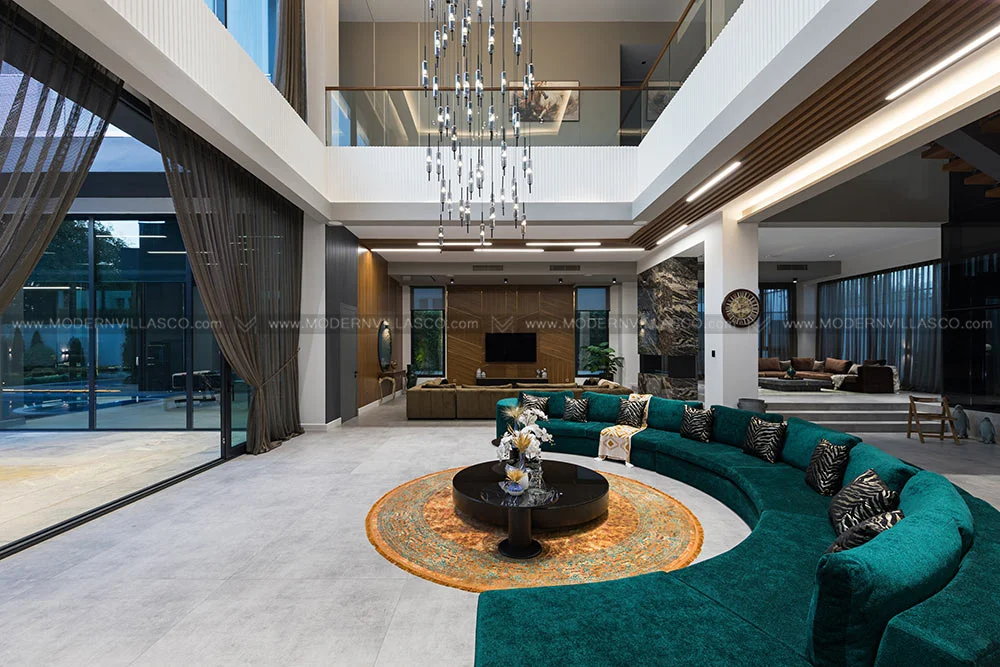
This balance is what elevates design from simple decoration. A beautifully arranged room that fails to function for its inhabitants is a hollow victory. Conversely, a purely utilitarian space that offers no aesthetic joy or emotional resonance feels sterile and uninspiring. The true magic, and the core reason why interior design is interesting, lies in solving the puzzle of marrying these two worlds.
It’s about selecting a fabric that is both durable enough for a family sofa and soft enough to invite curling up with a book, or positioning a window to frame a beautiful view while maximizing passive solar heat. This daily dance between the aspirational and the practical provides a constant, engaging challenge that is deeply satisfying to both the creator and the end user.
The Psychological Dimension: Designing for Emotion and Behavior
Perhaps the most compelling reason why interior design is interesting is its direct and powerful impact on the human psyche. Our environments are not passive backdrops; they are active participants in our mental and emotional states. Designers act as environmental psychologists, strategically wielding tools to craft experiences and evoke feelings. The strategic use of color is a prime example—calming blues and greens in a bedroom to encourage rest, or energizing yellows in a kitchen to stimulate activity. Texture adds another layer, where the roughness of natural stone can feel grounding, while smooth, polished marble suggests cool luxury.
Beyond aesthetics, spatial planning itself influences behavior. An open-plan layout can foster family connection and a sense of community, while thoughtfully placed niches and dividers can create necessary zones for privacy and focused work. Lighting design moves beyond mere illumination to become a tool for manipulating ambiance, from bright, cool-toned task lighting that boosts concentration to warm, dimmable ambient light that signals relaxation. Understanding and applying these principles means a designer’s work directly contributes to reducing stress, enhancing comfort, and improving the overall quality of life for the people who inhabit their spaces. This power to shape human experience for the better adds a profound layer of meaning and interest to the profession.
The Professional Canvas: A Career of Constant Evolution and Creative Problem-Solving
Choosing interior design as a career is embracing a path of lifelong learning and adaptive creativity, which is a key reason why interior design is interesting as a profession. No two projects or clients are ever the same. One day might involve sourcing sustainable materials for a eco-conscious family home, and the next could entail planning the acoustics and workflow for a corporate innovation hub. This diversity prevents monotony and constantly pushes designers to expand their knowledge and skill sets. Each new brief is a fresh puzzle, demanding solutions that are unique, functional, and beautiful.
However, this variety comes with its own set of intellectual and practical challenges that make the work far from easy—and therefore, far from boring. Designers must become adept project managers, balancing often-tight budgets with high client expectations
They need to translate abstract desires (“I want a cozy feel”) into concrete plans,Why Interior manage relationships with contractors and suppliers,Why InteriorWhy Interior and stay fluent in ever-evolving building codes and technologies.Why Interior The field is also increasingly competitive, requiring professionals to hone not just their design eye but also their communication,Why Interior marketing, and business skills.Why Interior Navigating these constraints is not a drawback but rather the essential framework within which creativity flourishes, turning each completed project into a hard-won and rewarding achievement.
A Tapestry of Styles: Drawing from Culture and History
The world of interior design serves as a living museum and a global dialogue, making the study of styles a perpetually interesting pursuit.Why Interior Every major design movement is a reflection of its time—the ornate grandeur of Art Deco speaks of the roaring 1920s’ optimism and industrial progress,Why Interior while the clean, democratic lines of Mid-Century Modern emerged from post-war optimism and a focus on functional living. Exploring these styles is like reading history through furniture and architecture.
Furthermore, regional styles offer a window into the soul of a culture.Why Interior The minimalist serenity and connection to nature in Japanese design, the warm,Why Interior rustic charm of a French Country farmhouse,Why Interior and the vibrant,Why Interior pattern-filled energy of Bohemian decor all tell stories about geography,Why Interior climate, values, and traditions. For the contemporary designer and enthusiast,Why Interior this rich heritage is a boundless source of inspiration.
The modern trend of “Japandi,” which merges Scandinavian functionality with Japanese minimalism, is a perfect example of how cross-cultural pollination leads to exciting new aesthetics. This deep well of historical and global influence ensures that design is never created in a vacuum but is part of an ongoing, fascinating conversation across time and borders.
The Momentum of Trends: A Field in Constant Motion
The dynamic, ever-changing nature of trends is a fundamental reason why interior design is interesting to follow and practice. Unlike static disciplines, interior design evolves in response to societal shifts, technological advancements, and changing human needs. For instance, the massive rise in remote work has fundamentally altered residential design,Why Interior creating a huge demand for functional,Why Interior inspiring,Why Interior and separate home offices. Similarly,Why Interior a growing collective focus on wellness has propelled trends like biophilic design—which integrates natural elements, plants, and abundant light—from a niche concept to a mainstream desire.
Looking ahead, forecasted trends for 2026 highlight this responsive evolution. Designers note a move toward “atmospheric color,” where entire rooms are enveloped in nuanced shades of a single hue to create a specific, calming mood. There’s also a growing emphasis on “suite-style living,” where primary bedrooms are designed as multi-functional retreats with dedicated lounge areas, responding to a need for private sanctuary within the home. Furthermore, technology’s role is expanding beyond smart home gadgets to include tools like AI for space planning and 3D visualization, changing how designers work and present ideas. This constant state of flux means there is always something new to learn, discover, and debate, keeping the field perpetually fresh and engaging.
Tangible Transformations: The Measurable Impact on Daily Life
The interest in interior design is rooted in the tangible, positive changes it delivers. On a personal level, a well-designed space profoundly enhances daily life. It transforms a cramped, cluttered kitchen into an efficient, joyful space for cooking and gathering. It turns an underused corner into a beloved reading nook, or a generic bedroom into a personalized sanctuary that guarantees restful sleep. This optimization goes beyond aesthetics; it’s about creating homes that actively support and improve routines, reduce daily friction, and increase overall comfort and satisfaction.
The benefits also extend to very concrete financial and practical realms. Thoughtful interior design is a sound investment that can significantly increase a property’s market value and appeal to potential buyers. Professionally, collaborating with a designer early in a renovation project can prevent costly mistakes, such as plumbing in the wrong place or lighting that doesn’t suit the final layout, ultimately saving money and stress. Designers also provide expert guidance on space planning, ensuring every square foot is used effectively, and on material selection, choosing finishes that are both beautiful and durable. This combination of emotional enhancement and practical advantage demonstrates the powerful, real-world value that makes interior design so compelling.
Table: A Snapshot of Design Styles and Their Core Principles
| Design Style | Historical/Cultural Origin | Key Characteristics | Modern Application |
|---|---|---|---|
| Mid-Century Modern | Post-WWII America (1940s-60s) | Clean lines, organic curves, functionality, integration with nature. | Paired with warm textures and earthy colors for a contemporary feel. |
| Biophilic | Late 20th century environmental movement | Direct & indirect connection to nature, natural light, plants, organic materials. | Central to wellness-focused designs in homes and offices. |
| Japandi | 21st-century fusion (Japanese & Scandinavian) | Minimalism, functionality, natural materials, muted color palettes, wabi-sabi (imperfection). | Ideal for creating serene, uncluttered, and harmonious small-space living. |
| Maximalist | Eclectic historical roots, modern revival | “More is more,” bold colors, layered patterns, personal collections, expressive energy. | A reaction to minimalism, allowing for deep personal storytelling in a space. |
| Rustic | Global rural traditions | Natural, raw materials (wood, stone), rugged textures, earthy tones, sense of authenticity. | Creates cozy, grounded atmospheres; often blended with modern amenities. |
The Deeper Meaning: Crafting Narratives and Personal Legacies
On a deeper level, interior design is interesting because it is a profoundly human endeavor of storytelling and legacy-building. A home is more than a collection of objects; it is a curated narrative of who we are, where we’ve been, and what we value. The process of design allows individuals to express their unique identity, weaving together heirlooms, travel souvenirs, art collections, and chosen furnishings into a cohesive personal story. This transformative power is what draws many to the field. As noted by designer Marie Soliman, the diversity of clients and their unique visions makes the professional journey “a constantly stimulating dynamic”.
For the designer, the ultimate reward is witnessing this transformation. It’s the moment a client walks into a completed space and sees their vision—and themselves—reflected back at them. This goes beyond aesthetics to impact well-being. Designer Ibrahim Mohamad Aladdin speaks to this profound impact, stating, “A designer’s greatest gift is the reaction of those who live and experience the space created”.
it’s creating a playful yet functional environment for a growing family, a serene retreat for empty-nesters, or an inspiring collaborative space for a startup, the designer facilitates experiences and memories. This ability to shape the stage on which life’s most important moments play out infuses the work with a sense of purpose and lasting significance that is deeply fulfilling.
Conclusion
Ultimately, the question of why interior design is interesting opens a door to a world that is as vast as it is detailed. It is interesting because it is inherently multidisciplinary, demanding the soul of an artist, the mind of a scientist, the empathy of a psychologist, and the acumen of a strategist.
It is a field in beautiful tension, constantly balancing self-expression with functionality, timeless principles with cutting-edge trends, and personal sanctuary with social connection.
The fascination lies in its tangible impact—the way a room can calm a anxious mind, inspire a creative breakthrough, or bring a family closer together. It is found in the intellectual challenge of solving spatial puzzles and the historical richness of styles that tell our collective story. From the macro view of cultural trends to the micro-detail of a light switch plate, interior design matters because it directly shapes the quality of our human experience. It proves that our surroundings are not just where we live, but a active and dynamic partner in how we live, feel, and thrive.
Frequently Asked Questions
How does interior design differ from interior decoration?
This is a fundamental distinction that clarifies why interior design is interesting as a professional discipline. Interior decoration is primarily concerned with the surface-level aesthetics of a space—selecting paint colors, furnishings, fabrics, and decorative accessories once the architectural shell is complete. Interior design, however, starts much earlier and goes much deeper. It involves space planning, optimizing layouts for flow and function, understanding structural requirements, specifying built-in elements, and ensuring compliance with health, safety, and building codes. Designers are trained to create spaces from the inside out, considering how people will live, work, and move within them, making it a more holistic and technical field.
I’m on a tight budget. Is working with an interior designer still worthwhile?
Absolutely, and this is a common misconception. A professional designer can actually be a crucial asset for budget control. They help you avoid costly mistakes—like buying furniture that doesn’t fit or choosing finishes that wear poorly—that often waste money. Designers have trade access to resources and can advise where to invest (like in a quality sofa) and where to save (like on decorative pillows). They provide a clear plan, preventing impulsive, regretful purchases. Involving a designer for even a few hours of consultation can provide a roadmap that empowers you to execute your project efficiently and beautifully, maximizing the value of every dollar spent.
What are the biggest challenges of being a professional interior designer?
The career is richly rewarding but comes with significant challenges that require diverse skills. Beyond pure creativity, designers must be expert project managers, balancing client expectations, budgets, and contractor schedules. Managing client communication and “scope creep”—where project requests expand beyond the original agreement—is a critical skill. The field is also highly competitive, requiring constant self-promotion and networking. Furthermore, it demands lifelong learning to keep pace with new materials, technologies like AI and 3D modeling, and ever-changing building regulations. Success hinges on blending artistic vision with robust business, communication, and problem-solving acumen.
Can I mix different interior design styles in my home?
Not only can you, but mixing styles is often what creates a space that feels uniquely personal, collected, and dynamic. The key to doing it successfully is to establish a sense of cohesion. This is often achieved through a consistent color palette, a repeating material (like wood tones), or a unifying texture. For example, you might pair a sleek modern sofa with a rustic wooden coffee table, linking them with a shared neutral color scheme. The modern trend of “pattern remixing” celebrates this layered approach, combining florals, stripes, and geometries that share a common color thread. The goal is intentional eclecticism, not chaos, which makes the process creatively engaging.
Why is involving an interior designer early in a renovation project so important?
Early involvement is perhaps the most strategic decision you can make. When a designer collaborates with your architect from the start, they ensure the interior layout and lifestyle needs drive the architectural plans. They can position windows for optimal light, place walls to accommodate standard furniture sizes, and plan electrical and plumbing rough-ins precisely where you’ll need them. This prevents the costly and stressful scenario of trying to retrofit interior functions into a fixed structure later. As experts note, this early collaboration creates a cohesive vision from the skeleton of the house to the final decorative layer, saving significant time, money, and frustration during construction.