





Giants of the Hearth: Your Complete Guide to Big House Cats and Their Gentle Majesty
The image of a domestic cat often conjures a creature of elegant, compact proportions, curled neatly on a cushion. Yet, within our homes, a more majestic scale of feline exists. Big house cats, the gentle giants of the domestic world, offer all the companionship of their smaller counterparts but wrapped in a more substantial, often awe-inspiring package. These are not wild hybrids lurking in your living room, but fully domesticated breeds whose history, genetics, and selective breeding have culminated in impressive size and weight. From the long, flowing coat of a majestic Maine Coon to the dense, plush fur of a serene British Shorthair, these sizable felines bring a unique presence to a household.
Choosing to live with a large domestic cat is a commitment to a different kind of pet ownership—one that involves more substantial purrs, a greater need for space, and a heartwarming depth of personality. This comprehensive guide is designed to be your definitive resource. We will explore the history and characteristics of the most popular giant breeds, delve into the specific care their size demands, celebrate their unique temperaments, and provide practical advice for integrating one of these magnificent animals into your life. Whether you’re simply fascinated by these sizable companions or are actively considering welcoming one home, understanding the reality behind their impressive stature is the first step toward a rewarding relationship.
Defining the Domestic Giant
When we speak of big house cats, we refer to specific pedigreed breeds that have been developed to meet breed standards which include a significant weight and skeletal frame. Typically, a male of a large breed will weigh between 15 and 25 pounds, with females slightly smaller. It’s crucial to distinguish these breeds from simply overweight pets; a true large breed cat carries its weight on a proportionally larger frame, with substantial bone structure and muscle mass. The appeal of these breeds lies not just in their physicality, but in the temperament often associated with their size—many are known for being particularly calm, patient, and dog-like in their loyalty.
The genetics behind a cat’s size are complex, involving multiple genes that influence growth hormone production, bone length, and overall body mass. Selective breeding over generations has stabilized these traits in certain lineages, creating the predictable giant breeds we know today. It’s a fascinating intersection of natural predisposition and human-guided selection, resulting in animals that are both spectacular to behold and wonderfully suited to domestic life. Their size is a feature, not a flaw, and it comes with a unique set of considerations for any potential owner.
The Maine Coon: America’s Gentle Giant
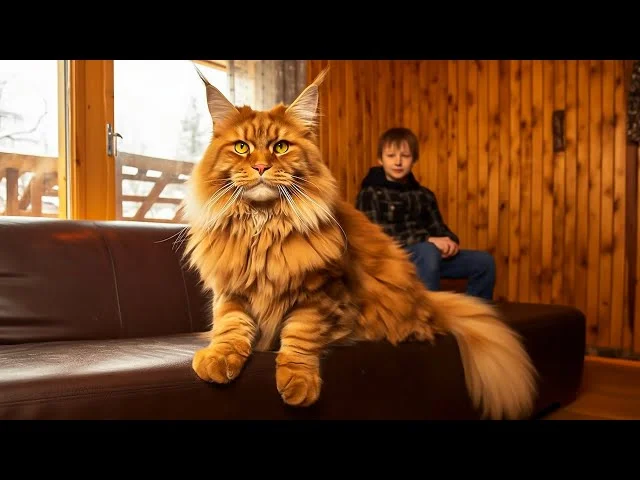
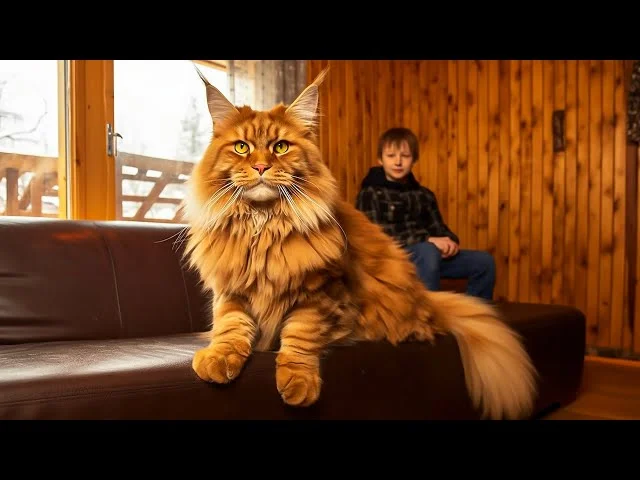
Hailing from the rugged Northeast, the Maine Coon is often the first breed that comes to mind when one thinks of large domestic cats.big house cats Surrounded by folklore—from tales of raccoon crossbreeding to claims of descent from Marie Antoinette’s long-haired cats—the breed’s true origin is likely seafaring cats brought by sailors, adapting to the harsh winters. They are instantly recognizable by their long, shaggy, water-resistant coats, substantial lynx-like ear tufts, and long, bushy tails. A full-grown male Maine Coon is a sight to behold, often described as the “gentle giant” of the cat world due to its sweet, adaptable nature.
Despite their formidable size and wild appearance, Maine Coons are famously good-natured. They possess a playful, kitten-like demeanor well into adulthood and are known for their chirping trills rather than traditional meows.big house cats They are highly intelligent, often enjoying puzzle toys and even learning to play fetch. Their thick coat, while beautiful, requires dedicated maintenance to prevent mats, especially during seasonal sheds.big house cats This breed exemplifies how the most imposing big house cats are often the most gentle-hearted, forming deep, loyal bonds with their human families and frequently getting along well with other pets and respectful children.
The Ragdoll: The Relaxed Companion
True to its name, the Ragdoll cat is renowned for its tendency to go completely limp and relaxed when picked up, a trait that has captivated cat lovers worldwide. Developed in California in the 1960s, this breed is characterized not only by its placid temperament but also by its striking blue eyes, semi-long silky coat, and pointed coloration similar to a Siamese. They are one of the most consistently large breeds, with males regularly reaching 15 to 20 pounds. The Ragdoll’s development was carefully guided to select for a docile, affectionate, and non-aggressive personality, making them ideal indoor companions.
Living with a Ragdoll is often described as living with a shadow. They are intensely people-oriented, following their owners from room to room and craving involvement in daily activities. They are not typically acrobatic or mischievous jumpers; instead, they prefer to lounge at your side or in your lap, content to observe the household happenings. Their coat, while plush, is less prone to matting than that of a Maine Coon due to its lack of a dense undercoat, but regular brushing is still recommended. For those seeking a calm, affectionate, and strikingly beautiful big house cat, the Ragdoll is a premier choice, offering a serene and constant presence.
The Norwegian Forest Cat: The Viking Voyager
The Norwegian Forest Cat, or “Wegie,” is a natural breed with a history intertwined with Norse mythology and Viking ships. Believed to have traveled with Vikings as skilled mousers,big house cats these cats evolved a magnificent double coat perfectly suited to frigid Scandinavian winters—a glossy, water-shedding top layer over a dense, woolly undercoat. They are powerful, muscular cats with strong legs and a robust build, designed for climbing and surviving in harsh climates. Their almond-shaped eyes and triangular head give them an alert, intelligent expression that hints at their hardy ancestry.
Personality-wise, Norwegian Forest Cats are confident, sweet-natured,big house cats and independent. They bond closely with their families but are not usually clingy, appreciating their own space and high perches from which to survey their domain. They retain strong climbing instincts and appreciate sturdy, tall cat trees.big house cats While generally quiet, they are known to communicate with soft chirps and meows. Their glorious coat requires significant grooming, especially during the spring shed when they “blow” their thick undercoat. This breed is a perfect example of a big house cat that combines majestic, wild beauty with a friendly and resilient domestic spirit.
The Savannah: The Exotic Athlete
The Savannah cat stands apart, representing a more exotic segment of large domestic cats. This breed is the result of crossbreeding a domestic cat with the serval, a wild African feline. This heritage imparts a truly spectacular appearance: tall,big house cats oversized ears, long legs, a slender neck,big house cats and a spotted or marbled coat that screams of the savanna. Their size is significant, with earlier generation males (F1, F2) being particularly large, though later generations (F3, F4 and beyond) are more consistently manageable in size and fully domesticated in temperament. Ownership of earlier generations often comes with specific legal restrictions and profound care requirements.
Savannahs are the athletes of the domestic cat world. They are incredibly energetic, intelligent, and curious,big house cats requiring substantial mental and physical stimulation.big house cats They are known for their love of water,big house cats their astounding vertical leaps, and their dog-like propensity for learning tricks and walking on a harness. They form very strong bonds with their owners but may be reserved with strangers. Due to their unique needs and high energy,big house cats they are not a breed for novice cat owners or those seeking a placid lap cat. They represent the pinnacle of an active, engaging partnership with a big house cat, demanding commitment, space,big house cats and understanding.
The British Shorthair: The Dignified Teddy Bear
The British Shorthair, with its iconic round face, dense coat, and stocky body, presents a different kind of large feline—one built not for length and height, but for cobby, powerful substance. Often described as a “teddy bear” of a cat, this breed is one of the oldest English cat breeds, tracing its lineage back to the domestic cats of Rome. Their most famous color is the British Blue,big house cats a solid grey-blue with copper eyes, but they come in many other colors and patterns. They are slow to mature, reaching their full physical and mental development around three years of age, culminating in a solid, heavy-boned cat.
The temperament of the British Shorthair is one of dignified, easygoing independence. They are affectionate but not demanding, enjoying attention on their own terms. They are not typically lap cats but prefer to sit beside you, offering quiet companionship.big house cats They are known for their undemanding nature and adaptability to various living situations, including homes with calm children and other pets. Their dense, plush coat requires only weekly brushing to remove dead hair.big house cats For someone who appreciates a calm, steadfast, and physically substantial presence without high energy or maintenance needs, this big house cat is an impeccable choice.
The Siberian: The Hypoallergenic Forest Spirit
Emerging from the forests of Russia, the Siberian cat is another natural breed built for survival in a cold climate. They are powerful,big house cats triple-coated cats with a strong, barrel-chested body and a sweet, rounded expression. A fascinating aspect of this breed, which contributes significantly to its popularity, is its alleged hypoallergenic properties. Many people with mild cat allergies report tolerating Siberians well, as they produce lower levels of the Fel d 1 protein, the primary allergen in cat saliva and skin secretions. While no cat is truly 100% hypoallergenic,big house cats the Siberian offers a promising option for allergy sufferers drawn to big house cats.
Beyond their potential allergy-friendly status, Siberians are beloved for their playful, loyal, and intelligent personalities. They are often described as having a “dog-like” loyalty, greeting their owners at the door and participating in household activities. They are excellent jumpers and climbers, retaining a playful spirit throughout their lives. Their magnificent triple coat, designed to withstand Siberian winters, requires regular grooming, especially during seasonal changes. The Siberian embodies a wonderful balance: the hearty, resilient build of a natural survivor paired with a tender, devoted, and family-oriented heart.
Essential Care for a Larger Feline
Caring for a big house cat extends beyond standard feline husbandry due to their unique physical needs. The most immediate consideration is nutrition. A large-breed cat requires a high-quality diet formulated to support healthy joints and lean muscle mass, without encouraging obesity. Portion control is critical; their substantial frame can mask weight gain, and excess pounds put severe stress on their hearts and joints. Consultation with a veterinarian to determine an ideal weight and feeding plan is a non-negotiable first step. Furthermore, their larger bodies have greater hydration needs,big house cats making the provision of fresh water—often via a cat fountain to encourage drinking—absolutely essential.
Another cornerstone of care is veterinary partnership. Large and giant breed cats can be predisposed to certain health conditions, most notably hypertrophic cardiomyopathy (a form of heart disease) and hip dysplasia. Establishing a relationship with a vet experienced with large breeds ensures proactive monitoring. At home, environmental adjustments are key. Their size demands larger,big house cats sturdier litter boxes (often the size of a concrete mixing tub), more robust scratching posts that won’t topple, and wider,big house cats reinforced perches and cat trees. Investing in these items from the outset prevents accidents and ensures your giant feels secure and comfortable in its domain.
Understanding the Big Cat Temperament
A common misconception is that big house cats are inherently lazy or less playful. In reality, their temperaments are as diverse as their breeds, but many share common traits linked to their size and breeding. A prevailing characteristic among many giant breeds is a notable calmness and patience. Breeds like the Ragdoll,big house cats British Shorthair,big house cats and Maine Coon are often celebrated for their even-keeled dispositions, making them excellent companions for families and individuals seeking a less frantic feline presence. This “gentle giant” archetype is not a universal rule, as the energetic Savannah proves, but it is a frequent and cherished hallmark.
This generally placid nature should not be mistaken for aloofness. Many large breeds are profoundly social and bond deeply with their human families. They may express this loyalty through quiet companionship rather than constant demand for attention. Their intelligence is another standout trait; many large breeds are quick learners and can be taught tricks, walked on harnesses, and enjoy interactive puzzle toys. Understanding and respecting their individual personality—whether it’s the dog-like devotion of a Siberian, the independent dignity of a British Shorthair, or the playful curiosity of a Norwegian Forest Cat—is the key to a harmonious life together.
The Financial Commitment of a Giant Breed
The initial acquisition cost for a pedigreed big house cat from a reputable breeder is significantly higher than adopting a domestic shorthair from a shelter. Prices can range from several hundred to several thousand dollars, depending on the rarity of the breed, pedigree, and generation (in the case of Savannahs). This initial investment is just the beginning. The ongoing costs scale with their size. They consume more food, require larger doses of preventatives and medications, and need bigger accessories—from carriers to beds to scratching posts. Prospective owners must budget accordingly, recognizing that everything from litter to veterinary bills will be proportionally larger.
Perhaps the most critical financial consideration is veterinary care. As mentioned, some large breeds have genetic predispositions to specific health issues. Proactive health screening, such as annual cardiac ultrasounds for breeds prone to HCM, adds to routine care costs. Additionally,big house cats if surgery or emergency care is ever needed, medication dosages and anesthesia protocols are weight-based, leading to higher bills. Pet insurance for a large-breed cat is a highly recommended financial safeguard. As Dr. Sarah Ellis, a leading feline behaviorist, notes, “Welcoming any cat is a commitment, but with a large breed, the scale of that commitment—emotional, temporal, and financial—is simply greater. Preparation is the foundation of a successful partnership.”
Choosing the Right Big Breed for Your Home
Selecting which big house cat is right for your lifestyle is a decision that requires honest self-assessment. The first factor is space. While not all large breeds are hyper-active, they all benefit from room to stretch, climb, and play. A small apartment can work for a calm Ragdoll or British Shorthair if vertically enriched with cat trees, but may be stifling for an energetic Savannah or Norwegian Forest Cat. Your daily schedule is equally important. A highly social breed like a Ragdoll or Siberian may suffer from separation anxiety if left alone for long hours daily, whereas a more independent British Shorthair may cope better.
Consider your household composition. Most large, gentle breeds do wonderfully with gentle children and other pets, but their size itself requires teaching children respectful interaction. Your own activity level is key: are you looking for a couch companion or a hiking partner? Finally, research breed-specific needs relentlessly. Are you prepared for the extensive grooming of a Maine Coon or the intense play sessions of a Savannah? Reaching out to reputable breeders, attending cat shows, and speaking with current owners of the breed can provide invaluable real-world insights that go beyond any article, helping you match your life with the perfect feline giant.
Nutrition and Health Management
Crafting the optimal diet for a big house cat is a proactive measure for longevity and vitality. Their nutritional requirements differ from smaller cats, particularly in the need for joint-supporting supplements like glucosamine and chondroitin, often included in high-quality “large breed” or “joint health” formulas. Protein from high-quality animal sources is crucial for maintaining their significant muscle mass. Due to their larger body mass, they are also at a higher risk for developing urinary tract issues, making a diet that promotes urinary health and encourages water consumption a wise choice. Many owners find that incorporating wet food into the diet is beneficial for hydration.
Health management is a partnership with your veterinarian. Beyond standard vaccinations and check-ups, discuss breed-specific screening protocols. For many large breeds, this includes annual echocardiograms to screen for heart disease from a young age and monitoring for signs of arthritis, which can develop earlier in large-framed animals. Weight management is arguably the single most important health intervention an owner can control. Keeping your cat at a lean, ideal weight reduces stress on every major system in its body—its heart, joints, and liver—directly contributing to a longer, more active, and pain-free life. Regular, gentle play is essential for maintaining muscle tone and mental sharpness.
Behavior, Enrichment, and Training
The behavioral needs of a big house cat are amplified by their intelligence and physical capabilities. Environmental enrichment is not a luxury; it is a necessity to prevent boredom, which can lead to destructive behaviors or stress. This means providing ample vertical territory via cat trees, shelves, and window perches that can safely support their weight. Interactive toys that mimic prey, like wand toys, allow for healthy predatory expression and vital exercise. Puzzle feeders engage their problem-solving skills and slow down eating. For the most active breeds like Savannahs, dedicated play sessions and even outdoor adventures on a harness may be required daily.
Training is not only possible but highly rewarding with large, intelligent cats. Using positive reinforcement techniques—clickers and treats—you can teach basic commands, discourage undesirable behaviors, and even perform fun tricks. Harness training is particularly valuable for allowing safer exploration of the outdoors. Litter box training is generally straightforward, but the box must be sufficiently large; a common cause of avoidance in big cats is a litter box that feels cramped or unstable. By engaging their minds and bodies consistently, you nurture a well-adjusted, happy companion whose impressive size is matched by its admirable behavior.
Comparative Overview of Popular Big House Cat Breeds
| Breed | Average Weight (Male) | Key Physical Traits | Coat & Grooming | Core Temperament | Ideal Home Environment |
|---|---|---|---|---|---|
| Maine Coon | 15-25 lbs | Long, rectangular body; lynx tips; bushy tail | Long, shaggy, water-resistant; High maintenance | Gentle, playful, dog-like, intelligent | Active families, homes with other pets, space for climbing |
| Ragdoll | 15-20 lbs | Semi-longhair, blue eyes, color-point pattern | Silky, medium-long; Moderate maintenance | Docile, affectionate, relaxed, people-oriented | Calm households, indoor living, owners seeking a lap cat |
| Norwegian Forest Cat | 13-22 lbs | Muscular, triangular head, double coat | Long, dense double coat; High maintenance | Confident, sweet, independent, good climber | Homes with vertical space, cooler climates, experienced owners |
| Savannah (F3+) | 12-25 lbs | Tall, slender, spotted coat, large ears | Short, low-shedding; Low maintenance | Energetic, curious, loyal, athletic, dog-like | Very active owners, spacious homes, experienced cat guardians |
| British Shorthair | 12-18 lbs | Cobby, round face and eyes, dense build | Short, plush, dense; Low maintenance | Calm, dignified, independent, undemanding | Apartments, quieter homes, owners valuing steady companionship |
| Siberian | 15-20 lbs | Barrel-chested, triple-coated, rounded expression | Long, triple coat; Moderate-High maintenance | Playful, loyal, intelligent, family-oriented | Families, allergy-prone owners, homes with activity |
Conclusion
Inviting a big house cat into your life is a decision to embrace a grander scale of feline friendship. It is a commitment to more—more purr, more presence, more personality, and yes, more responsibility. These gentle giants, from the water-loving Maine Coon to the serene British Shorthair, offer a unique blend of majestic beauty and profound companionship that has captivated humans for centuries. Their size is an integral part of their identity, shaping their needs, their health considerations, and the deep, often calming bond they form.
The journey with a large domestic cat is one of immense reward. It is filled with the quiet dignity of a loyal companion at your side, the joyful antics of a playful giant, and the unique satisfaction of caring for a creature of such substantial grace. By entering this relationship with eyes wide open—armed with knowledge about their specific care, prepared for the financial and spatial commitments, and committed to providing a loving, enriched environment—you pave the way for a fulfilling partnership. In return, you gain not just a pet, but a magnificent, loving member of the family whose grand stature is forever matched by the size of its heart.
Frequently Asked Questions
What is the biggest house cat breed?
The title for the largest domestic cat breed is typically held by the Maine Coon. Males of this breed regularly reach 15 to 25 pounds, with some exceptional individuals weighing even more. Their long, rectangular bodies and substantial bone structure contribute to their impressive size, making them the most consistently large of all purely domestic big house cat breeds.
Are big house cats good with children?
Many large domestic cat breeds are excellent with children due to their typically calm, patient, and tolerant dispositions. Breeds like the Maine Coon, Ragdoll, and Siberian are famously gentle and can form strong bonds with kids. However, due to their size, it’s crucial to teach children how to interact respectfully—no pulling tails or ears—to ensure safe and positive interactions for both the child and the cat.
How much does it cost to own a large breed cat?
The cost of owning a big house cat is significant. Initial purchase from a reputable breeder ranges from $800 to $3,000+. Annual costs are higher than for a smaller cat, including more food ($500-$800), larger doses of preventatives, and potentially higher veterinary bills. Lifetime costs, including insurance, food, litter, and medical care, can easily exceed $15,000 to $25,000, emphasizing the need for long-term financial planning.
Do large cats have more health problems?
Large and giant breed cats can be predisposed to certain health conditions due to their genetics and size. Common concerns include hypertrophic cardiomyopathy (heart disease), hip dysplasia, and arthritis. They are also more susceptible to obesity, which exacerbates other health issues. Proactive veterinary care, including breed-specific screenings and meticulous weight management, is essential to mitigate these risks and ensure a long, healthy life.
Can I keep a big house cat in an apartment?
Yes, many big house cats can thrive in an apartment, provided their environmental needs are met. Calmer breeds like the British Shorthair or Ragdoll adapt well. The key is vertical enrichment: sturdy cat trees, wall shelves, and window perches to maximize their living space. Ensuring ample play and mental stimulation is also critical to prevent boredom in a smaller footprint. Active breeds like Savannahs, however, generally require more space.
SEO Title: Big House Cats: Your Definitive Guide to Giant Domestic Breeds & Care
Meta Description: Explore the world of big house cats. Our complete guide covers Maine Coons, Ragdolls, Savannahs & more—including care, costs, and choosing your gentle giant.