





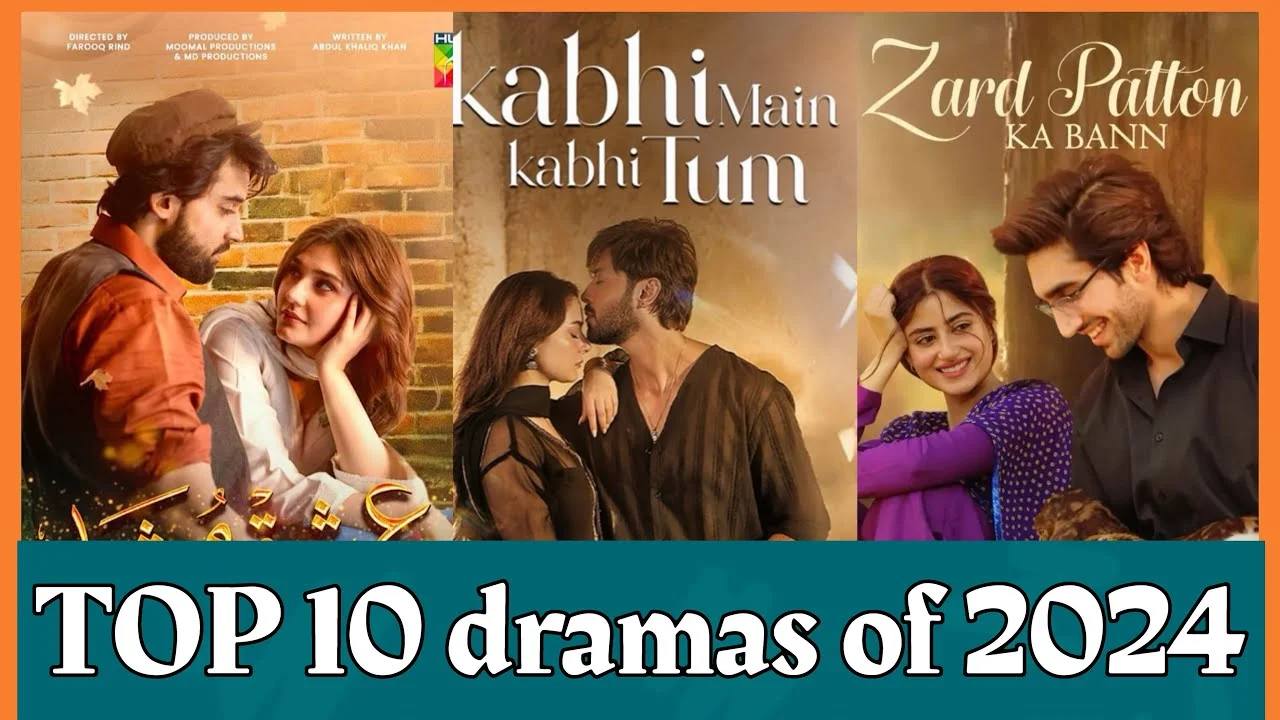
The Ultimate Guide to the Best Pakistani Drama: Finding Excellence in Modern Storytelling
In the vibrant and ever-evolving landscape of global television, Pakistani dramas have carved out a unique and respected space. For decades, they have been celebrated for their potent storytelling, compelling characters, and exploration of profound social themes, captivating audiences far beyond their borders. Today, the question of what constitutes the best Pakistani drama is more complex and exciting than ever. The rise of digital platforms like YouTube has fundamentally transformed how these stories are produced, measured, and consumed, creating a dynamic tension between mass popularity and narrative depth. This guide journeys beyond simple viewership charts to explore the multifaceted qualities that define true excellence in Pakistani television. We will examine the standout series from the recent golden era, decode the elements of their success, and provide you with the insights needed to discover dramas that resonate not just with the crowd, but with your soul.
The Evolving Benchmark for a Pakistani Drama Hit
The definition of a hit in Pakistani television has undergone a seismic shift. Traditionally measured by Television Rating Points (TRPs) on domestic channels, success is now globally quantified in the billions on YouTube. This digital arena has turned local productions into international phenomena, with series like Tere Bin and Mere Humsafar amassing viewership numbers that were once unimaginable. Crossing the one-billion-view mark has become the new prestigious benchmark, a club that an increasing number of dramas aspire to join. This digital democratization means a best Pakistani drama is now one that can transcend geographical and cultural barriers, finding a common emotional language with a worldwide audience.
However, this quantitative measure only tells part of the story. The year 2025 presented a fascinating case study: while it produced numerous commercial hits with staggering view counts, many critics and dedicated viewers noted the absence of a single unifying cultural phenomenon. Instead, the landscape was scattered with series that achieved popularity without necessarily achieving the deep, lasting impact of earlier classics. This divergence invites us to look deeper. It suggests that the best Pakistani drama of today might be judged on a dual axis: one measuring viral, widespread appeal, and another measuring narrative courage, artistic integrity, and the power to leave a permanent impression on the viewer’s perspective. True excellence often lives at the intersection of these two paths.
Deconstructing Excellence: The Core Elements of a Standout Drama
At the heart of every memorable drama lies a foundation of impeccable craftsmanship. The first and most crucial element is a robust, purposeful script. A great story can elevate modest production, while a weak plot can sink the most expensive project. The best writers create narratives that are either universally relatable or boldly unique, ensuring every plot twist and character decision feels earned and impactful. This is followed by authentic casting and performances where actors don’t just play roles—they embody them. When an actor’s performance makes audiences forget the star and see only the character, the drama achieves a rare magic. Chemistry between leads, as seen in pairs like Danish Taimoor and Sarah Khan in Sher, or Ahad Raza Mir and Dananeer Mobeen in Meem Se Mohabbat, often becomes the undeniable USP that drives a show’s success.
Beyond the script and cast, the director’s vision and the production’s aesthetic cohesion bring the story to life. Thoughtful direction guides pacing, tone, and performance, while strong production design, cinematography, and music create a believable world. Finally, and perhaps most importantly, is the drama’s thematic resonance. Does it merely entertain, or does it also communicate, question, or reflect society? The best Pakistani drama often holds up a mirror to its audience, tackling complex issues from familial toxicity and class divides to mental health and social justice. A show like Tan Man Neelo Neel is celebrated not just as entertainment but as a brave social commentary, proving that the most powerful stories are those that dare to speak difficult truths with empathy and clarity.
The Contenders: A Breakdown of Recent Standout Dramas
The following table provides a detailed comparison of some of the most notable Pakistani dramas from 2024-2025, analyzing them across the key dimensions that contribute to excellence. This breakdown helps illustrate how different series prioritize various elements, from commercial appeal and viral success to narrative ambition and social impact.
| Drama Title | Core Theme & Genre | Strength & Claim to “Best” | Viewership/ Popularity Metric | Notable Performances |
|---|---|---|---|---|
| Sanwal Yaar Piya | Epic Romance, Family Saga, Class Conflict | Narrative Scale & Digital Dominance; first 2026 drama to hit 1B views. | Crossed 500M views in first 18 eps; entered 1B View Club. | Ahmed Ali Akbar, Dur-e-Fishan Saleem, Feroze Khan |
| Sher | Family Rivalry, Romance, Revenge | Commercial Blockbuster; high-octane drama and star power. | Averaged ~20M views/episode; one of 2025’s most-watched. | Danish Taimoor, Sarah Khan |
| Tan Man Neelo Neel | Social Drama, Psychological Thriller | Narrative Courage & Social Impact; addressed mob violence and false accusations. | Critically acclaimed for its bravery and emotional impact. | Ensemble Cast |
| Parwarish | Family Drama, Slice-of-Life | Emotional Honesty & Empathy; portrayal of healthy family dynamics and mental health. | Strong viewership (~30M on premiere); praised for its relatable warmth. | Targeted younger demographic effectively |
| Jinn Ki Shadi Unki Shadi | Supernatural Comedy, Romance | Genre Innovation & Fun; fresh blend of horror, comedy, and romance. | Consistent ~5-6M views/episode; praised for uniqueness and competence. | Ensemble Cast |
| Meem Se Mohabbat | Character-Driven Romance, Family Dynamics | Emotional Realism & Chemistry; mature, gradual love story grounded in responsibility. | Averaged a massive 25M views/episode; strong cultural presence. | Ahad Raza Mir, Dananeer Mobeen |
| Case No. 9 | Legal Drama, Social Issue | Realistic Approach to a Sensitive Topic; focused on legal process of sexual violence cases. | Gained high ratings and public attention for its serious narrative. | Saba Qamar, Faysal Quraishi |
| Jama Taqseem | Family Drama, Social Dynamics | Relatable Portrayal of Joint Family Toxicity and transition to nuclear living. | A dark horse hit; garnered millions of views for its relatable premise. | Mawra Hocane, Talha Chahour |
Beyond the Viral Hit: Recognizing Different Types of “Best”
While the billion-view club rightfully grabs headlines, it is essential to recognize that the pantheon of the best Pakistani drama has room for different kinds of greatness. One clear category is the “Social Impact Drama.” These are series that prioritize message over mere entertainment, using the medium to spark difficult conversations and foster empathy. Tan Man Neelo Neel is the definitive example from 2025, a drama hailed as “arguably the bravest attempt in the history of Pakistani television” for its unflinching take on mob lynching. Similarly, Case No. 9 was praised for its realistic and thoughtful handling of sexual violence and the legal system, offering depth where other shows might resort to sensationalism. These dramas work because they humanize headlines, creating lasting perspective shifts that transcend their runtime.
Another vital category is the “Quiet Achiever”—dramas that forgo melodramatic fireworks for emotional authenticity and nuanced storytelling. Parwarish excelled here, presenting families that were flawed but loving, and treating mental health as part of everyday life rather than a shocking plot twist. Meem Se Mohabbat found immense popularity not through constant turmoil, but through a patient, grounded exploration of love built on understanding and moral duty. Then there are the “Genre Innovators,” like Jinn Ki Shadi Unki Shadi, which proved that Pakistani television could successfully blend comedy, romance, and the supernatural into something fresh and purely enjoyable. Acknowledging these varieties allows us to appreciate that the best Pakistani drama for a viewer seeking comfort will differ from the best for someone craving social commentary or innovative fun.
The Global Audience and the Digital Revolution
The international consumption of Pakistani dramas is no longer a niche phenomenon; it is the engine of the industry’s modern growth. Platforms like YouTube have erased borders, allowing shows to build massive fan bases in India, the Middle East, Europe, and North America despite official broadcast restrictions in some regions. This global stage has reshaped creative decisions, encouraging producers to craft stories with universal emotional cores that resonate across cultures. The comment sections of these YouTube videos become global watercoolers, where viewers from Karachi to Kolkata to Kentucky share their reactions, theories, and appreciation, creating a truly international community.
This digital ecosystem has also altered the very structure of storytelling. To cater to binge-watching international audiences, there is a noticeable trend toward more concise, tightly paced narratives. As one analysis notes, “Shorter episode counts, emotionally rich storytelling, and strong performances continue to fuel this massive popularity. Unlike long-drawn serials, Pakistani dramas keep their narratives concise and engaging, making them highly binge-worthy for global audiences”. The best Pakistani drama today is often one that understands this new rhythm, delivering satisfying character arcs and plot resolution without unnecessary elongation, thus maintaining its grip on a world of viewers who have endless options at their fingertips.
A Critical Lens: When High Hype Meets Mixed Execution
Not every high-profile drama meets expectations, and examining these shortfalls is crucial to understanding excellence. The year 2025 offered several cautionary tales where significant resources, star power, and hype did not translate into a quality viewer experience. Main Manto Nahin Hoon, despite featuring major stars like Humayun Saeed and Sajal Aly, was widely criticized for a problematic teacher-student romance plot that felt forced and inauthentic, failing to engage audiences meaningfully. Similarly, Dayan, which marked Mehwish Hayat’s much-anticipated return to television, relied on a convoluted and unrealistic plastic surgery premise that sacrificed substance for spectacle, leaving viewers disengaged.
These examples highlight a key distinction: the difference between a drama that is merely watched and one that is truly felt and remembered. A show like Mann Mast Malang could top viewership charts by being a “views magnet,” even as it was critiqued for its problematic content, proving that commercial success and critical acclaim are not always aligned. The lesson here is that the best Pakistani drama requires a harmony of all elements—a strong, coherent script supported by fitting performances and a directorial vision that prioritizes authentic storytelling over cheap twists or star appeal alone. When any one of these pillars falters, even the most promising project can struggle to connect on a deeper level.
How to Find Your Personal Best Pakistani Drama
With such a vast and diverse output, finding the series that you will personally consider the best Pakistani drama requires a bit of navigation. Start by identifying what you value most. Are you looking for a gripping, fast-paced story to lose yourself in? Commercial hits like Sher or Iqtidar might be your ideal choice. Do you prefer character-driven stories that explore relationships with subtlety? Then the emotional realism of Meem Se Mohabbat or Parwarish would be a better fit. Are you in the mood for something completely different from the typical family saga? The genre-bending fun of Jinn Ki Shadi Unki Shadi awaits.
Next, leverage the digital tools at your disposal. Explore the official YouTube channels of major production houses like Hum TV, Geo Entertainment, and ARY Digital, which often host full episodes with high-quality subtitles. Pay attention to the creators behind the shows—writers like Hashim Nadeem (Sanwal Yaar Piya, Parizaad) or directors like Danish Nawaz often have distinct styles you may grow to love. Finally, don’t underestimate the power of community recommendations. Engage with fan discussions on social media platforms like X (Twitter) or dedicated Facebook groups. These spaces are filled with passionate viewers who can offer detailed insights and steer you toward hidden gems that might not top the overall charts but could become your personal favorite, cementing its status as the best Pakistani drama for you.
The Future of Pakistani Storytelling
As we look ahead, the trajectory for Pakistani television is one of exciting expansion and potential refinement. The digital gold rush will undoubtedly continue, with producers and channels fiercely competing for a spot in the billion-view club. This will likely lead to even higher production values, more ambitious projects, and continued outreach to the global diaspora. However, the true progress will be measured by how the industry balances this commercial drive with artistic and narrative courage. The phenomenal success of a socially conscious drama like Tan Man Neelo Neel proves that there is a massive, receptive audience for stories that matter.
The future best Pakistani drama will likely be one that successfully marries the two defining trends of this era: the global, binge-friendly appeal and the courage to tell authentic, impactful stories. We can hope to see more experimentation with genres, more diverse and complex protagonists, and a continued willingness to tackle contemporary issues with intelligence and sensitivity. The foundation is stronger than ever—world-class actors, talented writers and directors, and a massive, engaged global audience. The next step is for the industry to trust that audience with even more nuanced, innovative, and daring stories. When that happens consistently, the golden age of Pakistani television will not just be remembered as a past era, but as a permanent and evolving standard.
Conclusion: A Tapestry of Excellence
In the end, crowning a single best Pakistani drama is an impossible and perhaps unnecessary task. The true strength of Pakistani television in this era is its remarkable diversity. From the epic digital triumph of Sanwal Yaar Piya to the quiet empathy of Parwarish, and from the brave social commentary of Tan Man Neelo Neel to the pure innovative fun of Jinn Ki Shadi Unki Shadi, excellence wears many faces. What unites these varied successes is a commitment to emotional truth—whether that truth is found in grand romance, family struggle, social justice, or simple joy. This guide serves not as a final verdict, but as a compass to help you navigate this rich landscape. The perfect drama for you is out there, waiting to be discovered. So, use these insights, explore with an open mind, and dive into the stories that have made Pakistani television a beloved global treasure. Your personal best Pakistani drama is just a play button away.
Frequently Asked Questions
What currently holds the title of the most-watched Pakistani drama of all time?
Based on available YouTube data, Tere Bin is frequently cited as one of the most-watched Pakistani dramas globally, having achieved billions of views since its release. It is a prime example of a series that achieved phenomenal digital success, setting a high benchmark for what a commercially successful best Pakistani drama can achieve in terms of raw viewership and international fanbase engagement.
I’m new to Pakistani dramas. Where is the best place to start watching?
The best place to start depends on your personal taste. For a classic, well-loved romance with high production value, Mere Humsafar is a fantastic and popular entry point. If you prefer a drama with social depth and critical acclaim, Tan Man Neelo Neel offers a powerful, thought-provoking experience. Most of these are readily available with subtitles on official YouTube channels, making access easy for international viewers.
How can I find a good Pakistani drama that isn’t just a typical family or love story?
Look for dramas that experiment with genre. A great place to start is Jinn Ki Shadi Unki Shadi, which successfully blends supernatural elements, comedy, and romance for a truly unique feel. Exploring works by specific writers known for innovative plots, like Hashim Nadeem, can also lead you to standout series that break the mold and offer a fresh take on storytelling.
Are Pakistani dramas only popular in Pakistan and India?
Not at all. While they have massive audiences in South Asia, the rise of YouTube has globalized their reach. Pakistani dramas have substantial fan bases in the Middle East, Europe, the United Kingdom, North America, and Southeast Asia. Their focus on universal emotions, family dynamics, and compelling narratives transcends language and cultural barriers, making them a global television phenomenon.
What makes a Pakistani drama different from other South Asian television?
Pakistani dramas are often noted for their relatively concise storytelling (typically spanning one season), stronger focus on dialogue and character development, and a tendency to weave in social and moral themes. While they share some familial and romantic tropes with other regional television, the best Pakistani drama is frequently distinguished by its emotional restraint, literary quality of dialogue, and willingness to engage with substantive social issues.