





The Ultimate Guide to Cristiano Ronaldo Transfer News: Decoding His Next Move
The global football landscape shifts whenever Cristiano Ronaldo contemplates his future. In early 2026, the rumor mill has ignited once again, placing Ronaldo transfer news at the forefront of football discourse. The Portuguese icon, now 41, has reportedly been at odds with his current club Al Nassr, sitting out matches in what insiders describe as a protest over the club’s transfer ambition. While the standoff has officially ended with his return to the squad, the underlying tensions remain unresolved, fueling speculation about whether this is merely a temporary truce or the beginning of the end of his Saudi Arabian chapter.
Understanding the complexities behind these developments requires more than scanning headlines. It demands a deep dive into the power structures of the Saudi Pro League, Ronaldo’s enduring competitive fire, and the handful of viable destinations that could realistically accommodate a player of his stature. This comprehensive guide examines every angle of the situation, separating fact from fiction while providing strategic context on what comes next for one of football’s greatest legends.
The Current Situation: Why Ronaldo Stopped Playing
Cristiano Ronaldo’s absence from three consecutive Al Nassr matches sent shockwaves through the football world. The highest-paid athlete on the planet, earning approximately £488,000 per day, made a calculated decision to withdraw his labor—a move virtually unheard of for a player under contract . This was not an injury-related absence or a routine rest period. It was a deliberate statement.
The root cause traces back to the January transfer window, where Al Nassr failed to secure the marquee signings Ronaldo believed necessary to compete for silverware. While rival clubs strengthened, Al Nassr added only Saudi Arabian Abdullah Al-Hamdan and Iraqi Haydeer Abdulkareem . For a competitor who has spent two decades winning trophies at the highest level, this perceived lack of ambition proved intolerable. Ronaldo watched as Al Hilal, the league leaders, aggressively pursued and signed Karim Benzema from Al Ittihad—a direct rival and former Real Madrid teammate whose arrival threatened Ronaldo’s quest for domestic supremacy.
Breaking Down the Al Nassr Standoff
The tension between Ronaldo and Al Nassr extends beyond simple transfer disappointment. It touches on fundamental questions about resource allocation among Saudi Arabia’s Public Investment Fund (PIF)-owned clubs. Since Ronaldo’s arrival in December 2022, Al Nassr has spent approximately €414 million on transfers, a figure that pales in comparison to Al Hilal’s €650 million outlay . This disparity has not gone unnoticed by the five-time Ballon d’Or winner.
Compounding the frustration was a reported text message from Benzema, jokingly informing Ronaldo that he had received a pay raise while moving to Al Hilal and confidently stating his intention to win another league title . For a player whose competitive psychology borders on obsessive, such provocations carry real weight. Ronaldo sees himself as the standard-bearer who elevated the Saudi Pro League’s global profile; watching others benefit from greater institutional support while his own club lags behind strikes at the core of his identity.
The club’s official response sought to downplay the incident while asserting institutional authority. A statement released to media outlets emphasized that while Ronaldo’s desire to win is respected, “no individual—however significant—determines decisions beyond their own club” . This carefully worded rebuke suggests underlying friction that a simple return to training cannot fully erase.
Al Nassr’s Transfer Strategy Under Scrutiny
When Cristiano Ronaldo arrived in Saudi Arabia, the narrative positioned him as the catalyst for a football revolution. His presence would attract other stars, raise the league’s competitive standards, and ultimately deliver trophies to Al Nassr. More than three years later, the trophy cabinet remains largely bare beyond the 2023 Arab Club Champions Cup.
Al Nassr’s recruitment approach has lacked the coherence seen at Al Hilal, who have systematically assembled a squad capable of domestic and continental success. While Al Nassr boasts individual brilliance in Ronaldo, Sadio Mané, and Aymeric Laporte, the collective unit has underperformed against well-drilled opponents. The January window’s failure to address glaring squad deficiencies sent a message to Ronaldo: the club’s ambition does not match his own.
From Al Nassr’s perspective, operating within PIF’s broader portfolio requires balancing multiple competing interests. The fund oversees numerous ambitious projects extending through the 2034 World Cup, and spending must remain relatively sensible across all properties . This institutional constraint clashes directly with Ronaldo’s win-now mentality, creating structural tension that no amount of individual salary can resolve.
Return to Action: What “Locked In” Really Means
Ronaldo’s recent social media post showing himself in training with the caption “Locked in” signaled the end of his strike . He has been included in Al Nassr’s squad for the February 14 fixture against Al Fateh, suggesting that immediate tensions have been addressed. However, reading between the lines reveals a more nuanced picture.
The return appears conditional on certain concessions. Reports from Portuguese media indicate that overdue staff salaries were settled, and sporting director Simão Coutinho along with CEO José Semedo were restored to their previous authority levels . These behind-the-scenes adjustments suggest that Ronaldo’s concerns extended beyond personal ambition to encompass organizational functionality.
Yet the fundamental issues remain unresolved. Al Nassr still trails Al Hilal in the league standings. Benzema still wears the blue of their rivals. And the next transfer window looms as another test of whether the club can meet Ronaldo’s expectations. His return to the pitch represents a ceasefire rather than a peace treaty, leaving the door open for summer speculation.
Where Could Ronaldo Go Next? Analyzing the Options
Premier League Return: Romantic but Unlikely
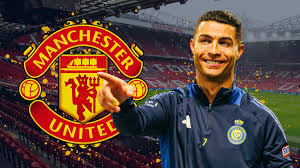
The Premier League holds a special place in Ronaldo’s career narrative. He evolved from a raw Sporting prospect into a global superstar at Manchester United before returning for an emotional—and ultimately turbulent—second spell. Recent reports suggest Ronaldo is prioritizing a one-year return to England before any potential move elsewhere .
However, the landscape has shifted dramatically. Manchester United’s former chief scout Mick Brown has definitively stated that a third stint at Old Trafford “won’t happen,” citing the damaged relationship following Ronaldo’s explosive interview with Piers Morgan . The club has moved forward under different leadership and sporting philosophies. Sky Sports reports that the option “seems to be firmly closed” .
Other Premier League clubs face structural barriers. Manchester City’s system under Pep Guardiola requires relentless pressing that a 41-year-old forward cannot sustain. Chelsea’s ownership prioritizes younger assets with resale value. The financial strength exists, but the sporting fit proves elusive for a player accustomed to being the focal point of entire projects.
Sporting CP: The Homecoming Narrative
Returning to Sporting CP carries undeniable emotional weight. This is where Ronaldo began his journey, the club that shaped his formative years before Alex Ferguson plucked him for Manchester United. A homecoming would bring his career full circle, offering a storybook ending that resonates across the football world .
Sporting’s interest appears genuine, with reports confirming their eagerness to re-sign their most famous academy graduate . The Portuguese league would provide a competitive environment without the relentless physical demands of England or the travel burden of Saudi Arabia. Ronaldo could continue adding to his astronomical goal tally while mentoring the next generation of Portuguese talent.
Yet questions persist about financial feasibility. Even a significantly reduced wage would strain Sporting’s budget, requiring creative commercial arrangements where image rights and sponsorship guarantees supplement the basic contract. The UEFA Champions League qualification—secured for next season—helps, but bridging the gap between Saudi wealth and Portuguese reality presents genuine challenges.
Inter Miami: The Messi Partnership Fantasy
Football fans have long fantasized about seeing Cristiano Ronaldo and Lionel Messi as teammates rather than rivals. Inter Miami represents the most plausible setting for that dream, with David Beckham’s club establishing itself as a destination for global icons . The prospect of Ronaldo joining forces with his eternal competitor in MLS generates headlines that write themselves.
The practical obstacles, however, are substantial. Inter Miami currently has all three Designated Player slots occupied by Lionel Messi, Rodrigo De Paul, and German Berterame . Accommodating Ronaldo would require shedding at least one high-profile salary, a complex undertaking mid-season. The club’s roster construction prioritizes complementary pieces around Messi rather than collecting stars indiscriminately.
LAFC and the LA Galaxy have also been mentioned as potential MLS destinations, with both possessing the market size and ambition to pursue transformative signings . Southern California’s Portuguese-speaking community and desirable lifestyle add appeal. But any MLS move requires Ronaldo accepting a different competitive context—one where playoffs determine championships and continental prestige takes a backseat to domestic entertainment.
Other Potential Destinations
Beyond the primary options, several alternatives merit consideration. A return to Real Madrid, while romantic, remains purely speculative given the club’s transition to younger talents like Vinícius Júnior and Jude Bellingham. The financial and sporting logic simply isn’t there.
Clubs in Qatar or the UAE could theoretically enter the conversation if Ronaldo seeks another Gulf destination, though leaving one Middle Eastern league for another would carry obvious reputational risks. Turkey’s Galatasaray or Fenerbahçe offer passionate atmospheres and European competition, but wage constraints limit their ability to compete with Saudi offers.
The wildcard remains a potential move to a club owned by or affiliated with larger commercial partners—think Newcastle United’s PIF connection or clubs within multi-club ownership models. These structures could facilitate creative solutions that separate playing salary from broader commercial arrangements.
What His Contract Actually Says: Release Clause Details
Understanding Ronaldo’s contractual situation requires examining the fine print of his Al Nassr agreement. He signed through summer 2027 in a deal widely reported as football’s most lucrative, earning close to £500,000 per day . This long-term commitment theoretically binds him to the Saudi Pro League for the foreseeable future.
However, contracts in modern football contain escape hatches. A release clause valued at €50 million (£43 million) can be triggered by interested clubs . Alternatively, some sources suggest Al Nassr might release Ronaldo on a free transfer if he pushes forcefully for an exit, particularly given the substantial salary commitment still on the books.
The contractual nuance matters because it frames negotiating positions. Al Nassr holds significant leverage through the remaining contract length and financial magnitude. Ronaldo holds leverage through his marketability and the reputational damage his departure would cause the Saudi project. The eventual outcome likely depends on whether both parties find sufficient common ground to continue or whether summer 2026 becomes a natural breaking point.
The PIF Factor: Understanding Saudi Football Politics
No analysis of Ronaldo’s situation is complete without understanding the Public Investment Fund’s role. PIF controls four major Saudi clubs—Al Nassr, Al Hilal, Al Ittihad, and Al Ahli—creating an unusual dynamic where rivals share the same ultimate ownership . This structure inevitably generates competition for resources and influence.
Ronaldo’s frustration stems partly from perceiving unequal treatment among these sibling clubs. When Al Hilal adds Benzema mid-season while Al Nassr stands pat, the imbalance appears stark. Yet PIF must balance competing priorities across its portfolio, ensuring no single club dominates to the point of undermining league competitiveness .
The Saudi Pro League’s official statement emphasized that clubs “operate independently under the same rules” with their own boards and executives . This framing attempts to distance PIF from day-to-day operational decisions while acknowledging the broader financial framework. For Ronaldo, accustomed to clubs where his presence dictates strategy, navigating this diffuse governance structure has proven challenging.
Career Context: Why 2026 Is a Pivotal Year
The 2026 calendar carries unique significance for Cristiano Ronaldo. This summer’s World Cup represents possibly his final opportunity to add football’s ultimate prize to his collection. At 41, he would become the oldest outfield player to feature in the tournament, extending his record as the only man to score in five different World Cups .
Tournament preparation inevitably influences his club decisions. Regular competitive football matters, but so does managing physical load and arriving fresh for national team duty. A move that compromises his World Cup readiness makes little sense, regardless of financial or emotional appeal.
Portugal’s squad depth has never been stronger, with talents like Rafael Leão, João Félix, and Bruno Fernandes complementing Ronaldo’s veteran leadership. The supporting cast exists to contend seriously. Ronaldo’s role, whether as starter or impact substitute, depends on his club form entering the tournament. This reality adds urgency to resolving his situation well before the summer transfer window closes.
Comparing Potential Destinations: A Strategic Breakdown
| Destination | Likelihood | Football Fit | Financial Feasibility | Key Considerations |
|---|---|---|---|---|
| Remain at Al Nassr | High | Established starter, knows system | Already contracted through 2027 | Must resolve trust issues with management |
| Premier League | Low | Physical demands high at 41 | Several clubs could afford wages | Manchester United return firmly ruled out |
| Sporting CP | Medium-High | Emotional homecoming, UEFA platform | Requires creative commercial structure | Champions League qualification secured |
| Inter Miami | Medium | MLS pace suits veteran players | DP slots currently filled | Messi partnership potential drives interest |
| LAFC/LA Galaxy | Medium | Major market, lifestyle appeal | Designated Player flexibility exists | Western Conference travel demands consideration |
Industry Expert Views on His Future
The football community has weighed in extensively on what Ronaldo should do next. Former Manchester United teammate Wes Brown offered perspective on the evolving situation: “He’s not happy but would Cristiano Ronaldo come back to Manchester United for a third go? I would say no. I can’t see how that could happen. A move to MLS? Maybe. Maybe he goes back to Portugal and plays there. I’m sure he will still have so many options” .
This measured assessment captures the range of possibilities while acknowledging the Manchester United door has closed. The key insight involves recognizing that Ronaldo’s market remains robust despite his age—clubs across multiple continents would welcome him for commercial and competitive reasons.
The Saudi Pro League’s statement carried its own implicit message: “Cristiano has been fully engaged with Al Nassr since his arrival and has played an important role in the club’s growth and ambition. Like any elite competitor, he wants to win. But no individual—however significant—determines decisions beyond their own club” . This institutional pushback suggests the relationship, while repaired for now, lacks the unconditional support Ronaldo enjoyed at previous stops.
Frequently Asked Questions
H3: Is Cristiano Ronaldo actually leaving Al Nassr this summer?
No formal transfer request has been submitted, and his contract runs through 2027. However, the recent standoff over transfer policy has fueled speculation that Ronaldo transfer news will dominate the summer window. His return to training suggests immediate resolution, but underlying tensions remain unresolved .
H3: Could Ronaldo really return to Manchester United for a third spell?
Industry insiders have firmly ruled out this possibility. Former Manchester United chief scout Mick Brown stated definitively that a return “won’t happen” due to the acrimonious nature of Ronaldo’s departure in 2022. Sky Sports reports the option “seems to be firmly closed” .
H3: What does Ronaldo’s Al Nassr contract release clause say?
His contract contains a €50 million (£43 million) release clause that interested clubs could trigger. Alternatively, Al Nassr might release him on a free transfer if both parties agree to part ways, particularly given the substantial remaining salary commitment .
H3: Would Ronaldo and Messi ever play on the same team?
Inter Miami represents the most plausible setting for this scenario, though significant obstacles exist. The club currently has all three Designated Player slots filled, requiring roster changes to accommodate Ronaldo. Fan interest in seeing the rivals unite remains high .
H3: How does the 2026 World Cup affect Ronaldo’s transfer decision?
The World Cup significantly influences his thinking. Ronaldo needs competitive football to maintain match sharpness while managing physical load ahead of the tournament. His club situation directly impacts Portugal’s hopes, adding urgency to resolving his future before summer .
Conclusion
The Cristiano Ronaldo transfer saga entering 2026 encapsulates everything that makes following his career endlessly fascinating. Here is a 41-year-old athlete who remains so driven by competition that he will effectively go on strike when his club fails to match his ambition. The Saudi interlude, initially viewed by skeptics as a comfortable retirement payday, has instead become another chapter in a career defined by relentless pursuit of excellence.
What emerges from examining all angles is a situation too complex for simple predictions. Ronaldo will almost certainly return to the pitch for Al Nassr in the short term, and the goals will almost certainly flow. But the structural tensions with PIF governance, the competitive gap to Al Hilal, and his own restless psychology suggest this story has further twists ahead.
The most likely summer scenario involves serious conversations with Sporting CP about a homecoming, exploratory talks with MLS representatives about an American adventure, and Al Nassr desperately trying to convince their franchise player that the project can deliver. Premier League clubs, despite persistent rumors, appear genuinely out of the picture.
For fans who have followed Ronaldo since his Madeira beginnings or Sporting breakthrough, savoring these final chapters makes sense. There will never be another player quite like him—not just for the goals and trophies, but for the way he turns every contract negotiation, every transfer window, every minor slight into compelling global drama. Wherever he plays next season, the football world will be watching.